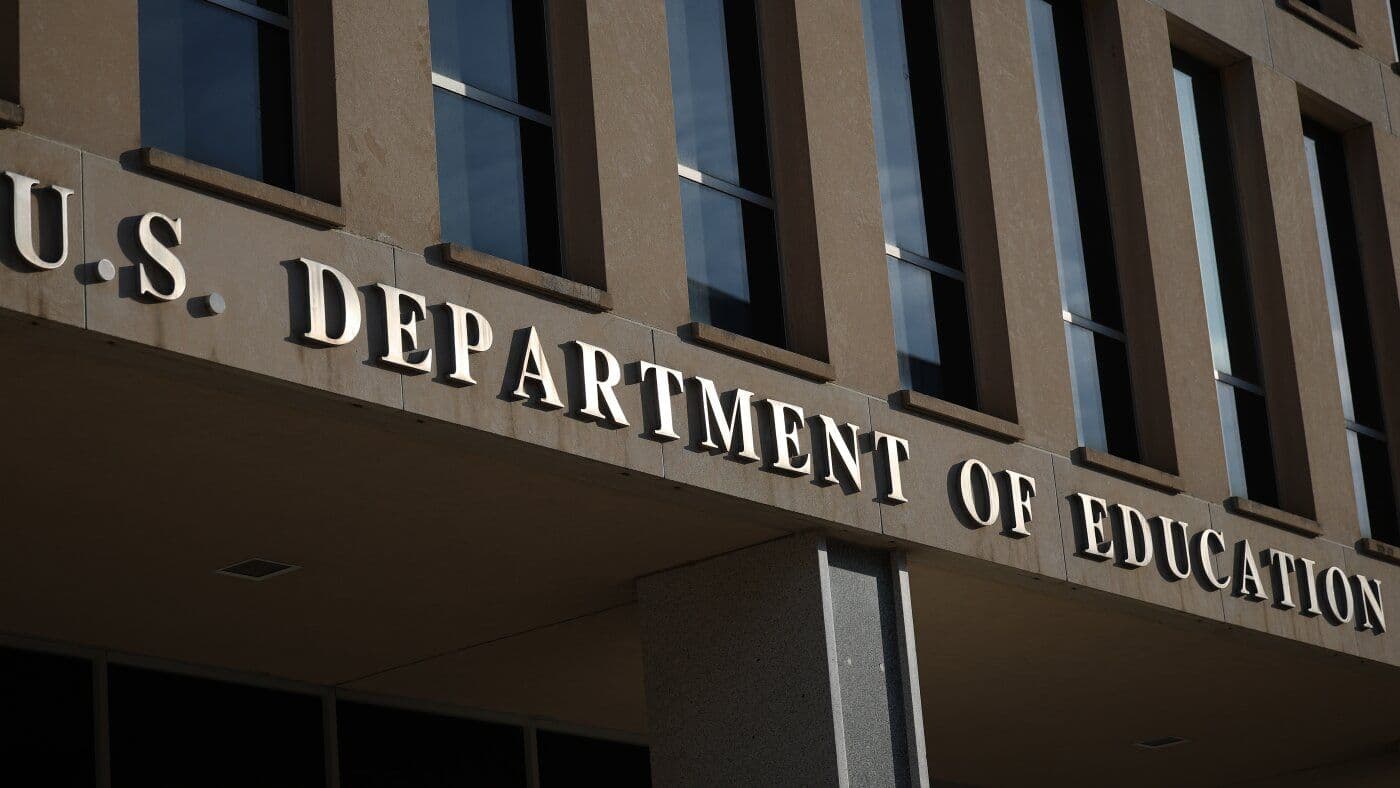
Civil Rights School Data Is Six Months Overdue — And Advocates Want Answers
The Education Department's critical civil rights dataset is long past its publication deadline, and advocates fear the Trump administration is deliberately obscuring student inequities.
Critical School Civil Rights Data Sits Unpublished Under Trump Administration
For over five decades, the U.S. Education Department has served as a watchdog for America's students — systematically documenting which children face bullying, who experiences harassment, and which students have access to basic educational tools like the internet. This effort, known as the Civil Rights Data Collection (CRDC), exists specifically to hold public schools accountable for how they treat every student in their care.
But the most recent dataset — covering the 2023-24 academic school year — was supposed to be released publicly last December. It never was. The Education Department has not responded to repeated media inquiries asking why.
What Is the Civil Rights Data Collection?
The CRDC is a federally mandated data-gathering initiative that captures a sweeping picture of student experiences across every public school in the United States. It tracks everything from disciplinary actions and special education access to harassment incidents and digital equity. Lawmakers, researchers, and advocacy organizations rely on this data to craft legislation and push for reforms that protect the nation's most vulnerable students.
Senators and representatives have previously used CRDC findings to develop meaningful policy. For instance, Democratic Sen. Cory Booker of New Jersey and Rep. Joaquin Castro of Texas drew directly from CRDC data to draft legislation aimed at expanding access to Advanced Placement courses for minority and disabled students who had been disproportionately excluded. A spokesperson for Booker's office confirmed the bill would be reintroduced shortly.
Why the Delay Has Advocates Alarmed
While bureaucratic slowdowns are not uncommon in federal agencies, the current delay is unfolding against a politically charged backdrop — and that context has education equity advocates deeply concerned.
The Trump administration has announced plans to relocate the Office for Civil Rights, the division that oversees the CRDC, from the Education Department to the Department of Justice. This proposed transfer follows a series of policy decisions that have reshaped how student civil rights protections are enforced: the administration has aggressively targeted diversity, equity, and inclusion programs in schools and has made investigating schools that permit transgender athletes to compete in women's sports a stated enforcement priority.
"This administration has repeatedly applied civil rights law in ways that ignore or dismiss the very real inequities that persist in our education system," said Denise Forte, president and CEO of EdTrust, an organization focused on closing education gaps. She added that the data delay "raises serious concerns, particularly as this administration seeks to downplay the impacts of racism and economic inequality in public education."
Inside the CRDC Team: What Former Staff Are Saying
A former Education Department employee who worked directly on the CRDC told NPR — on the condition of anonymity due to concerns about professional retaliation — that the team responsible for the data collection remains in place. However, its future is far from certain.
The former staffer suggested that part of the delay may stem from the 2025 government shutdown, which disrupted operations at the Education Department for more than six weeks and stalled progress on the CRDC. The department has also undergone dramatic staffing reductions since the Trump administration assumed office, losing roughly half its workforce.
The former employee described the CRDC team as deeply mission-driven professionals committed to ensuring equal access and opportunity for marginalized students. "We can't make the right decisions for students if we don't have insight into their current realities," they said.
Disability Rights and the Erosion of Accountability Tools
Lindsay Kubatzky, director of policy and advocacy at the National Center for Learning Disabilities, echoed those concerns — particularly regarding students with disabilities. He pointed to the Trump administration's proposal to eliminate a federal requirement that states track disability identification rates by race and ethnicity. Historically, Black and Latino students have been disproportionately and incorrectly identified as needing special education services.
"This administration unfortunately has proposed a lot of policies that would make it less transparent on how students with disabilities in particular are being served in public schools," Kubatzky said. While that specific disability tracking requirement is separate from the CRDC, he sees it as part of a broader pattern of dismantling civil rights accountability systems.
The CRDC, he emphasized, gives advocates a critical lever to identify where schools are falling short and to push for more inclusive policies.
A Key Question Left Unanswered: Digital Equity in the Age of AI
Among the questions the delayed dataset was expected to address is one of growing urgency: which students have reliable access to the internet and digital devices as artificial intelligence becomes an increasingly central part of modern education.
"Are our schools ready to usher in this wave of AI? Will all students have equal access to devices and internet capabilities?" asked the former CRDC staffer. "How do we know if the CRDC doesn't come out?"
As the gap between the data's expected release and its actual publication continues to widen, advocates are left wondering whether the delay reflects administrative dysfunction — or a deliberate retreat from the transparency that has long defined federal education accountability.