Caterpillar Acquires Monarch Tractor After Startup's High-Profile Collapse
Caterpillar has acquired the assets of struggling ag-tech startup Monarch Tractor, ending a turbulent chapter marked by lawsuits, layoffs, and internal conflict.
Caterpillar Steps In as Monarch Tractor's Story Comes to a Close
Construction and equipment giant Caterpillar has quietly acquired the assets of Monarch Tractor, an agricultural technology startup that spent years trying — and ultimately failing — to build a viable business around electric, autonomous farming equipment. The deal was revealed through filings with the United States Patent and Trademark Office and was first brought to public attention by Bloomberg.
The acquisition brings a turbulent chapter to an end for a company that once seemed poised to transform modern agriculture but instead became a cautionary tale about the challenges of hardware startups, broken manufacturing partnerships, and internal division.
A Promising Start That Slowly Unraveled
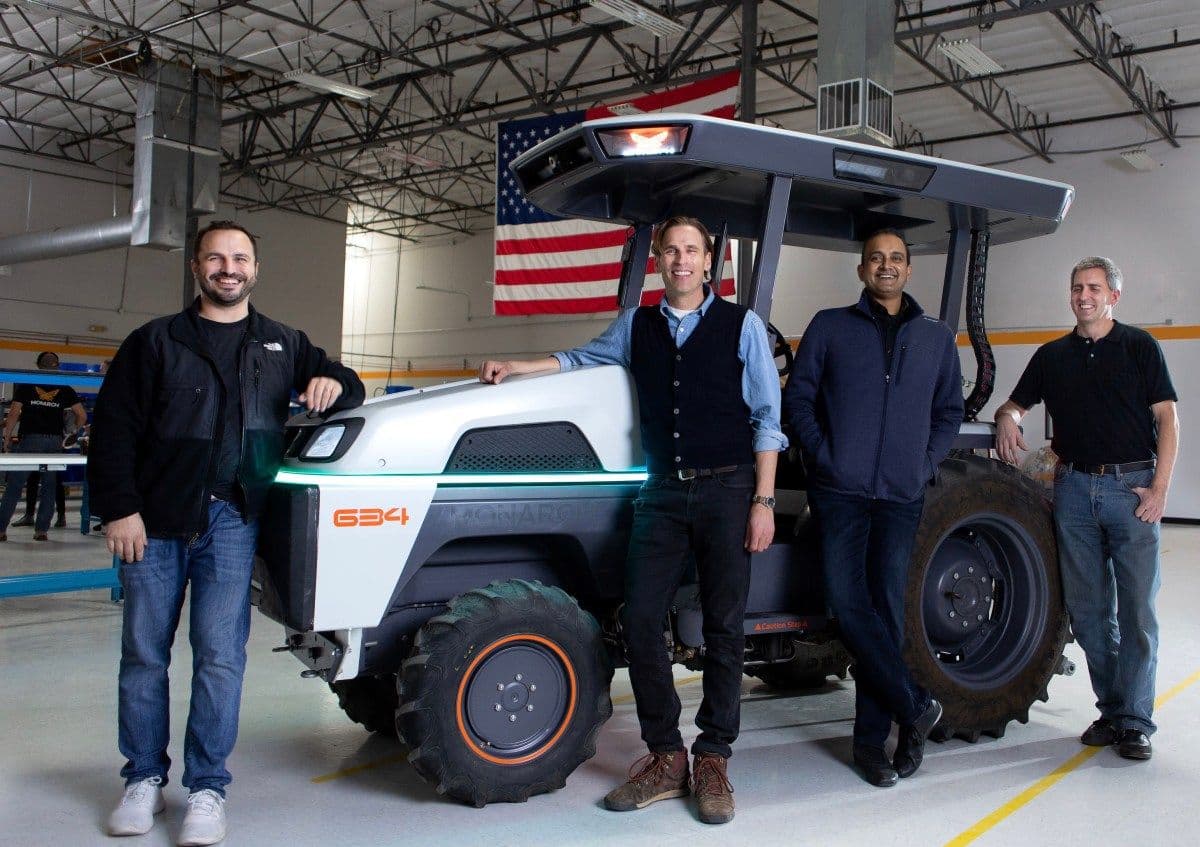
Monarch Tractor was founded in 2018 by Carlo Mondavi — heir to the iconic Mondavi wine dynasty — alongside CEO Praveen Penmetsa and former Tesla executive Mark Schwager. The trio shared an ambitious vision: develop electric tractors capable of operating autonomously across vineyards, fruit orchards, and dairy farms, all while reducing the need for human operators.
Over the following eight years, the company attracted more than $200 million in funding and generated considerable excitement within the agri-tech space. Initially, Monarch planned to manufacture its tractors at a dedicated facility in Livermore, California. That plan eventually gave way to a partnership with Foxconn, the Taiwanese electronics manufacturing giant, which had purchased a former General Motors plant in Lordstown, Ohio.
The Foxconn Partnership That Never Delivered
Foxconn's Lordstown facility was intended to serve as a hub for several EV startups simultaneously, including Fisker, Lordstown Motors, IndiEV, and Monarch. In practice, however, the arrangement proved disastrous for nearly everyone involved. Lordstown Motors went bankrupt after Foxconn produced only a small number of its electric trucks. Both Fisker and IndiEV collapsed before a single vehicle rolled off the line for them.
Monarch fared slightly better — Foxconn did manufacture a few hundred of its tractors at the Ohio plant. But when Foxconn sold the facility to SoftBank in August 2025, Monarch was left without a manufacturing partner, compounding problems that were already mounting.
Layoffs, Lawsuits, and a Strategic Pivot That Backfired
By early 2024, Monarch had already begun cutting staff. The layoffs came just before the company closed a substantial $133 million funding round — an unusual sequence that raised eyebrows across the industry. A second round of cuts followed months later, accompanied by an announcement that Monarch was pivoting away from hardware entirely and would instead focus on software licensing and autonomous technology services.
That pivot never gained traction. Dealers who had purchased Monarch tractors began speaking out, claiming the autonomous technology at the heart of the company's value proposition never functioned reliably. One dealer filed a lawsuit in September 2025 alleging the tractors were defective and incapable of true autonomous operation. Monarch disputed those claims in court filings, but two additional dealers subsequently filed their own federal lawsuits raising similar concerns.
Legal documents filed in January 2026 revealed that Monarch had entered into an assignment for the benefit of creditors — a structured process often used as an alternative to formal bankruptcy proceedings.
Co-Founder Speaks Out After Being Pushed Aside
Adding a personal dimension to the company's difficulties, co-founder Carlo Mondavi publicly addressed his departure from Monarch in a comment on a farmer's Instagram post criticizing the company's products. Mondavi stated that he had left more than a year prior due to deep disagreements over the company's direction.
According to Mondavi, he had observed reliability problems with the tractors firsthand — both on his own farm and on those belonging to colleagues. He believed the solution lay in hardware improvements, while CEO Penmetsa was convinced that software refinements alone could resolve the issues. When Mondavi pushed for a different path, he says he was blocked and ultimately forced out of the company, along with at least one other co-founder.
Mondavi was not immediately available for comment following news of the Caterpillar acquisition. Penmetsa declined to offer details beyond a statement Monarch had released the prior week, in which the company described its technology as having been acquired by a "large global equipment manufacturer" without naming Caterpillar directly. Caterpillar itself did not respond to media requests for comment.
What Remains After the Dust Settles
In the months leading up to the acquisition, Monarch auctioned off the majority of its remaining tractor inventory. The company that once raised over $200 million and aimed to redefine autonomous agriculture has been reduced to a portfolio of intellectual property now held by one of the world's largest equipment manufacturers.
Whether Caterpillar intends to integrate Monarch's autonomous farming technology into its own product lineup or simply hold the assets remains to be seen. For now, the acquisition marks a definitive end to one of the more turbulent stories in recent agri-tech history — a reminder that even well-funded startups with compelling visions can stumble when hardware, manufacturing, and internal alignment all fail at once.