Cash App's Magic Wand Is Now a Real Way to Pay for Things
Cash App has launched a $25 NFC-enabled magic wand that lets users tap to pay anywhere contactless payments are accepted. Here's everything you need to know.

Cash App Turns Tap-to-Pay Into a Magical Experience
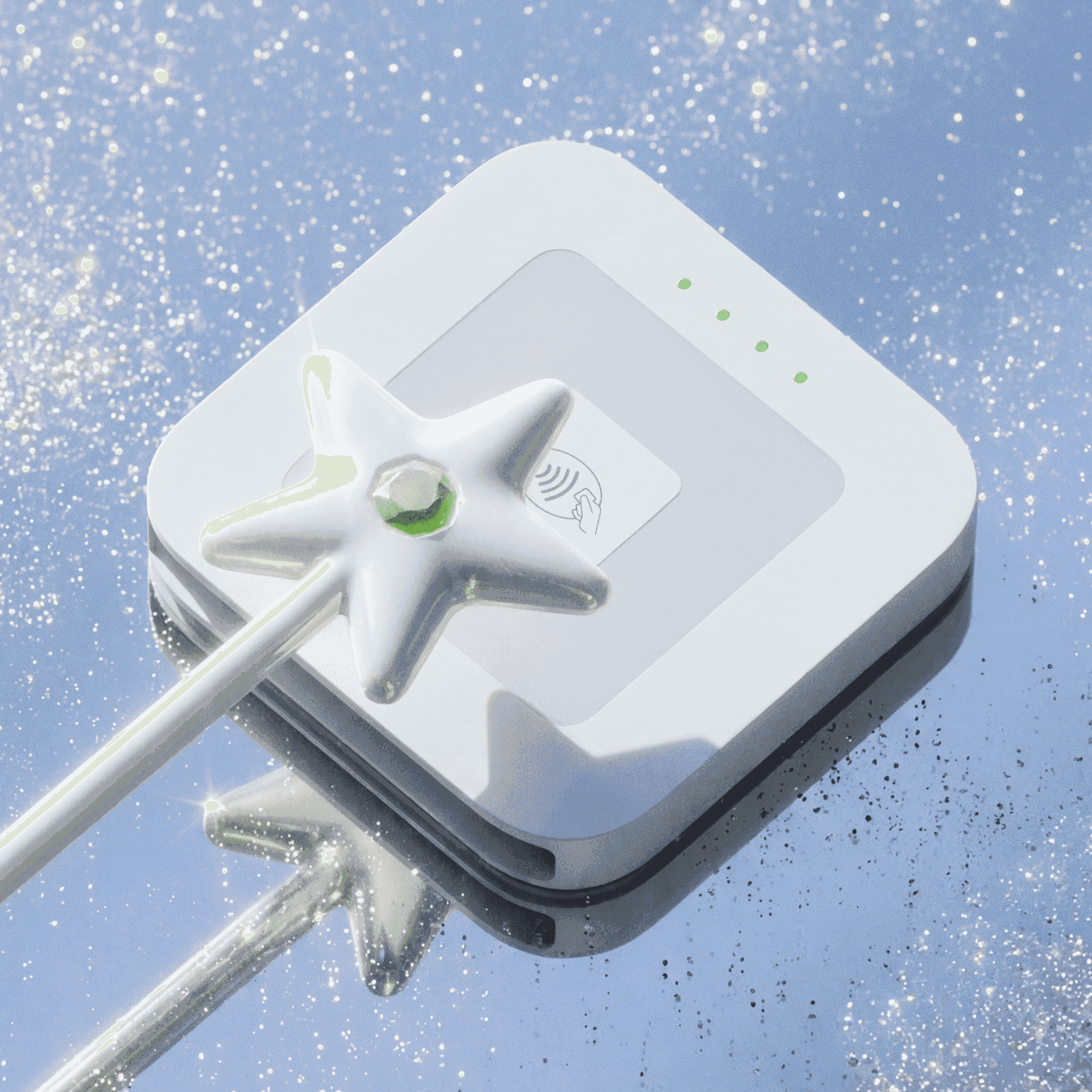
Digital payments have long been celebrated for their speed and convenience — but let's be honest, swiping a card or tapping a phone isn't exactly a memorable moment. Cash App, the popular payments platform operated by Block, is looking to change that with one of the most unexpected fintech products in recent memory: a $25 magic wand that functions as a fully operational payment device.
That's right. You can now wave a sparkly, pearlescent wand at a payment terminal and walk away with your coffee, your tacos, or your train ticket — no card, no phone required.
What Exactly Is the Cash App Wand?
The wand is the debut product in a new hardware line called Cash App Tags — NFC-enabled physical devices designed to link directly to a user's Cash App account. Unlike smartwatches or phone-based payment systems, these Tags require no Wi-Fi connection, no Bluetooth pairing, and no battery. To activate one, you simply hold it against the back of your smartphone, and it syncs to your account instantly.
The only prerequisite is having a registered Cash App card on file. Once linked, the wand operates just like a standard debit card — except it's shaped like something out of a fairy tale and clips onto a keychain like a charm bracelet.
The device works anywhere contactless tap-to-pay is accepted, making it surprisingly practical despite its fantastical appearance.
Why a Wand? The Philosophy Behind the Product
Thomas Templeton, Block's head of hardware, believes that modern digital payments, while efficient, have stripped the act of buying something of all personality. Transactions have become silent, invisible, almost forgettable.
"At Cash App, we think payment should be just the opposite," Templeton explains. "It should be visible. It should be fun. And social and expressive."
Even Cash App's existing physical cards, he notes, spend the vast majority of their lives buried in someone's pocket. The wand is designed to be something users actually want to show off — a payment tool that stays "top of wallet" by being too interesting to ignore.
Testing the Wand in the Real World
Early hands-on testing confirms the product does exactly what it promises. The wand successfully processed payments at a coffee shop, a fast food chain, and a local bar. It even worked on San Francisco's Muni transit system, with the gates opening at a tap of the wand — a moment that one tester compared to channeling their inner Gandalf for the modest price of $2.85.
Reactions from cashiers and bystanders ranged from amusement to genuine curiosity, which seems to be precisely the point. One minor hiccup during testing — a declined transaction at a smoke shop — turned out to be a setup issue rather than a product flaw.
Tapping Into the Trend of Whimsy
The wand arrives at a cultural moment when playfulness and whimsy are having a genuine resurgence, particularly among younger consumers who are actively seeking lighthearted, joyful experiences in everyday life. It's a sentiment that has found a natural home on platforms like TikTok, where videos of people attaching credit cards to handmade magic wands and using them to pay for things have gathered significant attention. The aesthetic has even made its way into rave culture, inspiring a wave of 3D-printed wand designs now available on Amazon.
Templeton insists that Cash App's version wasn't inspired by those viral videos, stating that the concept had been in development internally for roughly nine to twelve months before launch.
Limited Release and Future Plans
The initial run of Cash App Wands is deliberately limited to approximately 10,000 units, following a product "drop" model designed to generate buzz and gather user feedback. The goal is to test different shapes, sizes, and use cases for Cash App Tags before committing to a wider rollout.
The technology behind these Tags is impressively compact — small enough to be embedded in clothing or integrated into jewelry. Templeton confirmed that Block is actively exploring both of those possibilities, with additional product drops in new categories expected to arrive later this year. The Tags are also durable enough to survive a run through a standard washer and dryer, making wearable integration a genuinely practical prospect.
A Whimsical Launch Against a Complicated Backdrop
The lighthearted product launch does come with some context worth noting. Block — formerly known as Square before its 2021 rebrand — has faced significant internal turbulence this year. The company, led by Jack Dorsey, reduced its workforce by 40 percent in a round of layoffs that left many employees describing the office culture as stressful and demoralizing.
Visiting Block's offices during this period painted a stark picture: a cavernous workspace that felt largely empty, with only a handful of employees spread across rows of desks.
When asked about the current atmosphere at Block, Templeton remained optimistic. "Block's doing great," he said. "We just had earnings. We're shipping faster than ever. We're moving like a startup again — it's great."
Whether the magic wand can conjure a more spirited chapter for Cash App and Block remains to be seen. But as far as payment devices go, it's certainly the most enchanting one to hit the market in quite some time.