Britain's Gas Reserves Drop to Two Days as Iran Conflict Sends Energy Prices Surging
Great Britain's gas storage has fallen to just two days of reserves amid the Iran war, diverting LNG tankers and pushing UK gas prices to record highs.

Britain Sitting on Razor-Thin Gas Reserves Amid Middle East Crisis
Great Britain is navigating a precarious energy situation, with fossil gas reserves falling to just under two days' worth of supply — a development that has raised serious concerns among energy analysts as the conflict involving Iran continues to shake global energy markets.
According to data from National Gas, the body responsible for operating the UK's national gas transmission network, Great Britain held approximately 6,999 gigawatt hours (GWh) of stored gas as of last Saturday. That figure represents a notable drop compared to the 9,105 GWh recorded at the same point a year ago, and sits well below the system's maximum capacity of 12 days of supply.
LNG Tankers Diverted Away from Europe
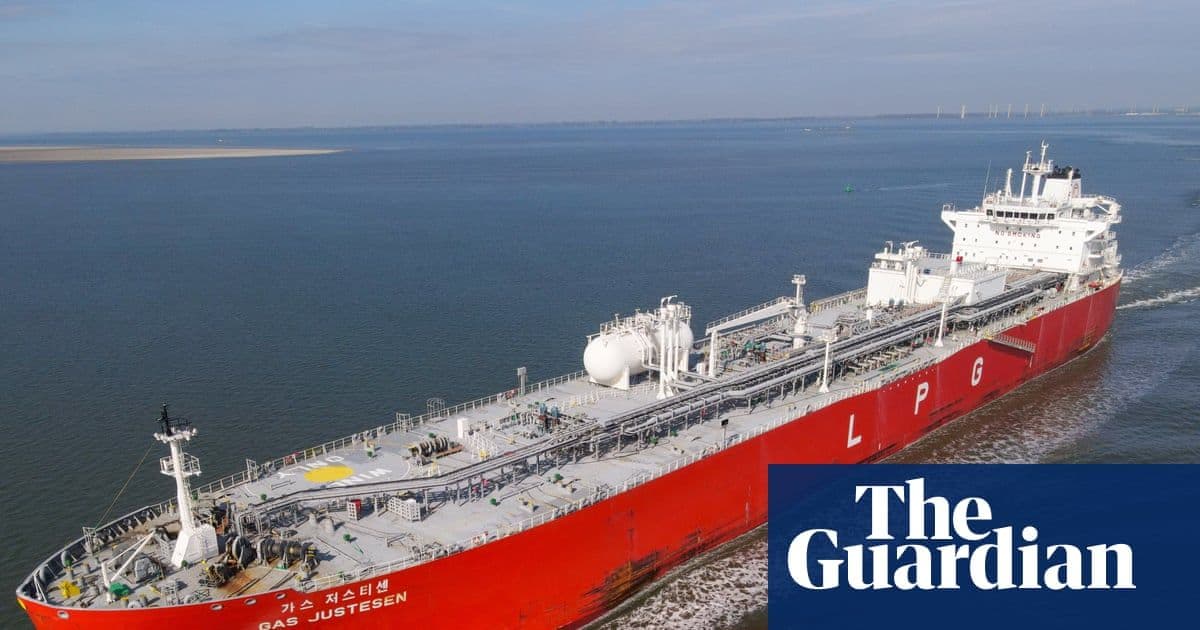
Compounding the storage shortfall, ship-tracking data compiled by Bloomberg reveals that at least two liquefied natural gas (LNG) tankers have changed course mid-Atlantic since Friday, redirecting from Europe toward Asia. This follows three similar diversions recorded the previous week, as buyers in Asia compete aggressively for available LNG supply.
The root cause of these disruptions traces back to the intensifying military conflict involving the United States, Israel, and Iran. Iran has effectively moved to restrict passage through the Strait of Hormuz — a critical chokepoint through which roughly one-fifth of all global seaborne gas shipments travel. Meanwhile, Qatar, home to the world's largest LNG production facility, was forced to halt output last week following a drone attack on the plant.
Gas Prices Spike as Supply Fears Mount
The supply disruptions have triggered a dramatic surge in energy prices. UK month-ahead gas prices climbed to 137 pence per therm last week, nearly double the 78.5 pence per therm recorded before hostilities involving Iran escalated. Asian LNG spot prices also spiked sharply, reflecting the intense regional competition for diverted cargoes.
National Gas and Government Push Back on Alarm
Despite the concerning headlines, both National Gas and the UK government have moved swiftly to reassure the public that an energy crisis is not imminent.
A National Gas spokesperson stated that current storage levels are broadly consistent with seasonal expectations and comparable to the same period last year. The spokesperson emphasized that gas storage represents only one component of Britain's broader and more diversified energy supply infrastructure.
"Great Britain benefits from a wide range of supply sources that the market draws on every day," the spokesperson said, pointing to domestic production from the UK continental shelf, Norwegian pipeline imports, LNG imports, and interconnectors with mainland Europe as key contributors to overall supply.
The Department for Energy Security and Net Zero echoed that message, firmly rejecting the notion that the UK is limited to two days of gas access. A government spokesperson described such claims as "categorically untrue," reaffirming confidence in the resilience and diversity of the country's energy system.
Britain vs. Europe: A Different Storage Model
It is worth noting that mainland Europe holds substantially larger gas reserves — measured in several weeks of supply — but energy experts caution against direct comparisons. Great Britain deliberately operates a more flexible, market-driven storage model, where reserves fluctuate throughout the year based on demand patterns rather than government mandates.
Storage levels have seen modest replenishment since late February, aided by milder seasonal temperatures that have reduced overall gas demand — a typical pattern heading into spring.
Long-Term Energy Security Under the Spotlight
While the immediate picture may not signal an emergency, National Gas has made clear that structural challenges are building beneath the surface. In its response to a recent government energy review, the organization proposed a series of measures to strengthen Britain's long-term energy resilience.
These proposals include expanding LNG import capacity, deploying floating storage units, and working closely with the energy industry to maintain and enhance flexible supply capabilities.
National Gas chief executive Jon Butterworth described the current period as a "defining moment for Britain's energy security," citing a combination of declining North Sea production, growing dependency on imported gas, and shifting demand patterns as forces that are fundamentally reshaping the risk landscape for UK energy supply.
As the conflict in the Middle East shows little sign of immediate resolution, energy security is likely to remain a central concern for both industry stakeholders and policymakers in the weeks ahead.