Breakthrough Single-Dose Drug May Finally Eradicate Sleeping Sickness by 2030
A revolutionary one-dose treatment called acoziborole could eliminate sleeping sickness globally, replacing decades of painful, complex therapies with three simple pills.

A Revolutionary Drug Brings Hope in the Fight Against Sleeping Sickness
For generations, sleeping sickness has haunted some of the world's most vulnerable communities. Now, a groundbreaking new medication is offering what global health experts have long dreamed of — a simple, safe, and effective path toward eliminating this deadly disease once and for all.
What Is Sleeping Sickness?
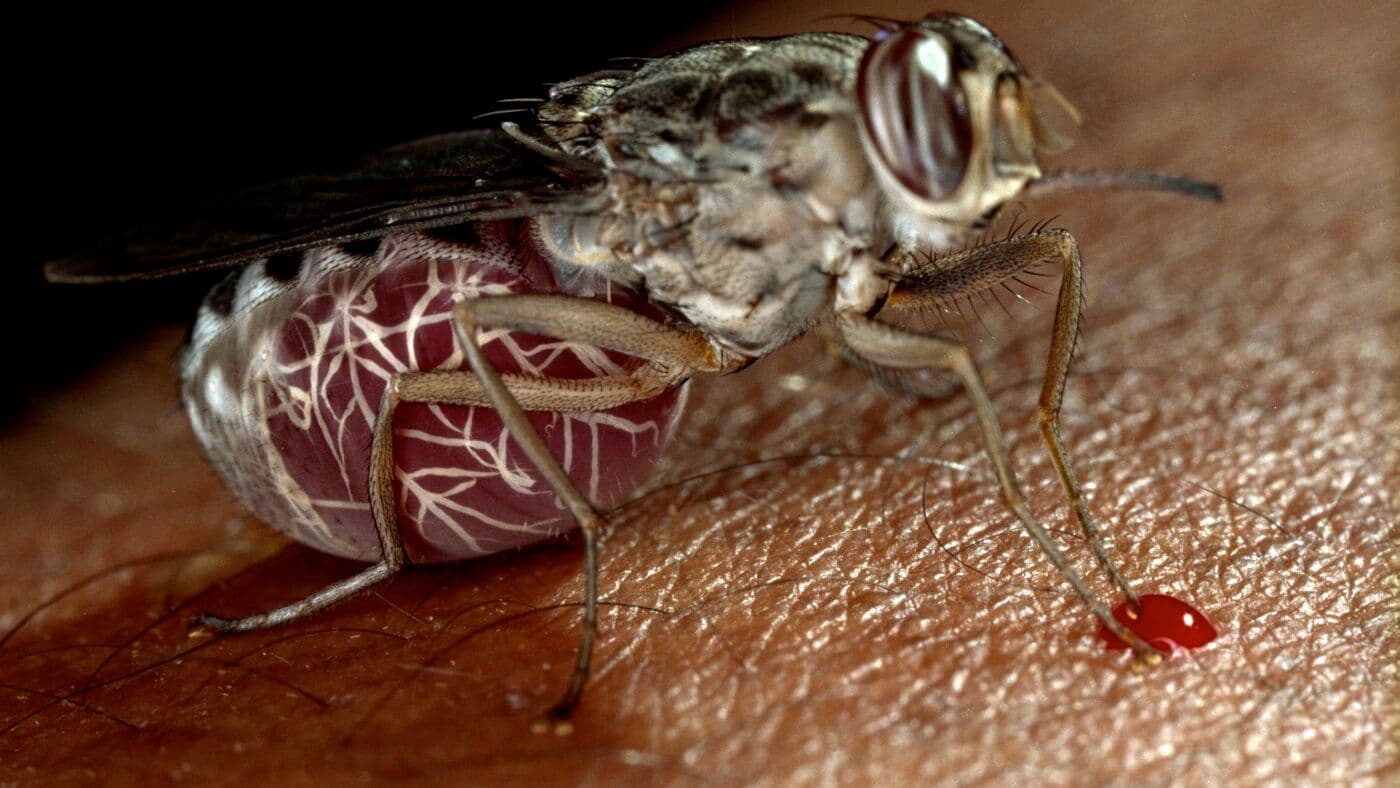
Sleeping sickness, famously referenced in Joseph Conrad's Heart of Darkness, is a parasitic disease transmitted through the bite of an infected tsetse fly. A single bite is enough to introduce the parasite into a person's bloodstream. In its most aggressive form, the illness can progress from minor symptoms to death within just a few weeks if left untreated.
The disease develops in two distinct stages. The first is relatively mild, characterized by fever and headaches. In the second stage, the parasite penetrates the blood-brain barrier, triggering severe neurological symptoms including confusion, convulsions, and a disruption of the body's natural sleep-wake cycle — causing patients to sleep during the day and remain awake at night. Left unchecked, the disease leads to coma and ultimately death.
More than 90% of sleeping sickness cases are caused by the Trypanosoma brucei gambiense parasite. The tsetse fly thrives in warm savanna woodlands and along the vegetation bordering lakes and rivers, meaning the disease predominantly strikes remote communities where people depend on fishing, hunting, and farming to survive.
The Problem With Previous Treatments
Historically, treating sleeping sickness has been an ordeal in itself. Earlier therapies relied on intravenous drugs notorious for causing an intense burning sensation in patients' veins — and were fatal for nearly one in every 20 people who received them. Even the current frontline oral treatment, fexinidazole, requires a 10-day course and carries serious side effects including nausea, vomiting, and dangerous heart-rhythm irregularities.
These difficult treatment experiences left a lasting psychological impact on affected communities. Many patients and their families, haunted by memories of painful prior treatments, chose to avoid seeking care altogether — allowing the disease to progress unchecked.
"Many patients remember what the treatment was like for themselves or family members and were afraid of care," says Dr. Stéphane Hugonnet, who led clinical trials for the Drugs for Neglected Diseases Initiative (DNDi).
Beyond the physical toll, the logistical demands of older treatments were immense. Specialized staff, medical equipment, and reliable infrastructure were all required — luxuries rarely available in the rural, underserved regions where the disease is most prevalent.
Enter Acoziborole: A Game-Changing Single Dose
Developed by DNDi in partnership with pharmaceutical company Sanofi — and supported by multiple funders including the Gates Foundation — acoziborole represents a seismic shift in how sleeping sickness can be treated. The medication is administered as just three pills taken together in a single dose, making it one of the most patient-friendly treatments ever developed for a neglected tropical disease.
The European Medicines Agency's committee has already granted a critical regulatory green light to acoziborole, with the drug potentially entering active use as early as next year.
Clinical trials revealed only one notable side effect: mild to moderate headaches. This stands in stark contrast to the debilitating effects of previous treatments and is expected to dramatically improve patient willingness to seek care.
Critically, unlike some earlier medications that only addressed one stage of the disease, acoziborole is effective against both stages of sleeping sickness.
"We can't dream to have better than this," said Dr. Wilfried Mutombo Kalonji, Head of West and Central Africa Clinical Operations for DNDi.
Impact on Global Health Goals
The World Health Organization has set an ambitious target of eliminating sleeping sickness as a public health threat by 2030. With annual case counts now reduced to approximately 1,000 worldwide — nearly two-thirds of which occur in the Democratic Republic of Congo — that goal appears increasingly within reach.
"Its single-dose, well-tolerated regimen can dramatically simplify patient care, improve access to treatment and accelerate progress toward the elimination of sleeping sickness. It is a transformative tool for both patients and public health programs," said Dr. Gerardo Priotto, who leads WHO's anti-sleeping sickness efforts.
This reduction in cases has been achieved through decades of coordinated efforts involving tsetse fly control programs, expanded diagnostic testing, and improved medical treatment. However, as Dr. Peter Hotez, dean of the National School of Tropical Medicine at Baylor College of Medicine, cautions, "sleeping sickness has ebbed and returned at many points in history."
What Comes Next
Researchers are now exploring whether blood-based serological tests could allow diagnosis and treatment to begin on the same day, eliminating the need for time-consuming and costly confirmatory testing. If validated, this approach could dramatically increase the number of patients treated and potentially cut off transmission entirely by eliminating human carriers of the parasite.
The next steps involve a formal review of acoziborole by the Democratic Republic of Congo's Ministry of Health and the WHO, which could update its treatment guidelines and open the door for broader international adoption.
However, global health professionals are sounding the alarm over potential funding cuts from the United States and other Western nations, warning that reduced financial support could delay access to this life-saving drug in the countries that need it most.
The Human Story Behind the Science
The road to acoziborole's development was paved by the resilience of African researchers and the patients who participated in clinical trials under extraordinarily difficult conditions — remote locations with no electricity, no running water, and limited infrastructure.
"We had to set up all of this, including training health workers, providing internet connections, electricity, and safe routes to testing sites, because they were so remote. We overcame the challenges," said Dr. Kalonji, speaking from South Ubangi province in the Democratic Republic of Congo.
Their perseverance may well have changed the course of history for one of the world's most neglected diseases — bringing humanity closer than ever to a world free from sleeping sickness.

