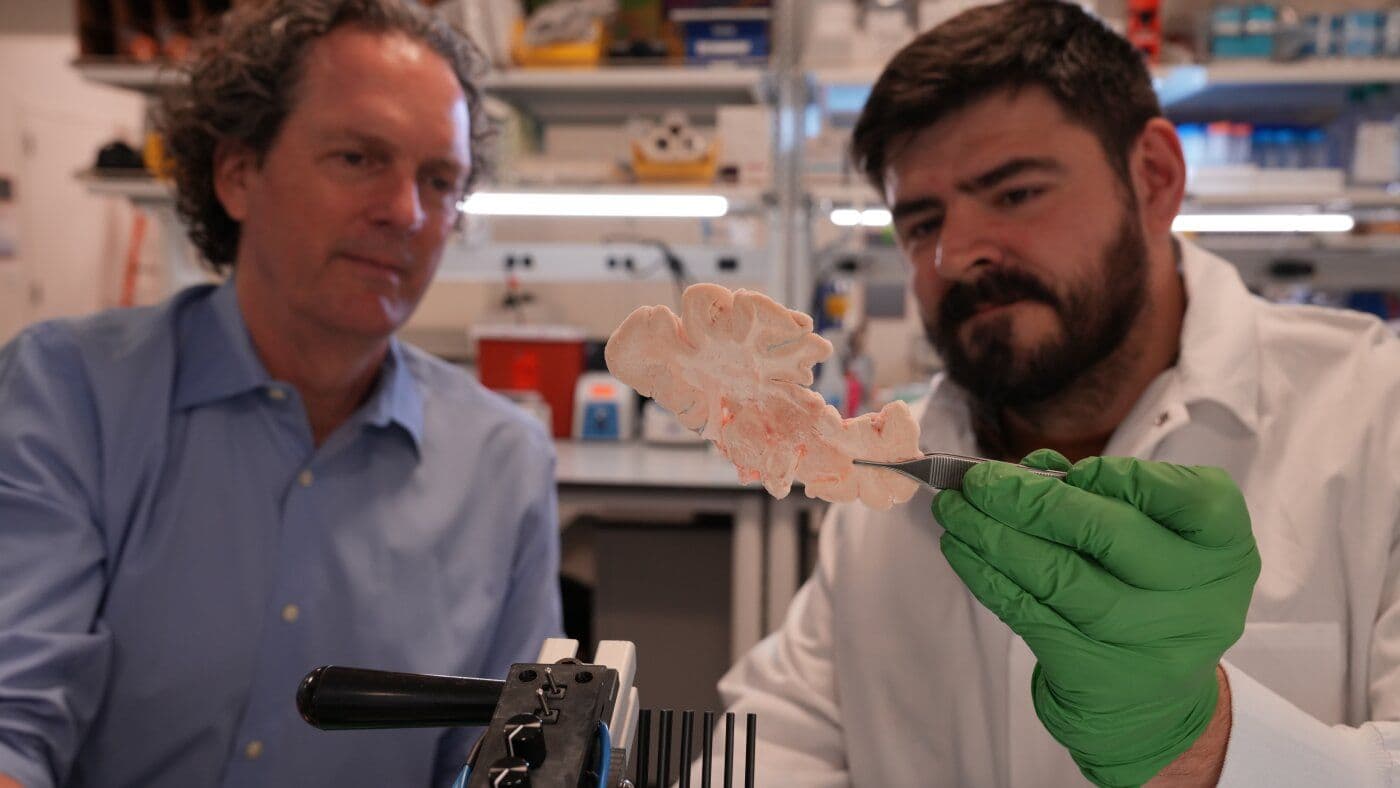
Brain Science Has Reached a Turning Point — And Healing May Finally Be Within Reach
Experts say neuroscience has hit a milestone: we now understand the brain well enough to start repairing it when things go wrong.
A Historic Milestone in Neuroscience
For decades, the human brain has remained one of science's greatest mysteries — complex, elusive, and stubbornly resistant to our attempts to understand it. But according to leading researchers at the Allen Institute in Seattle, that era of uncertainty may finally be drawing to a close.
Scientists now believe they have accumulated enough foundational knowledge about how the brain functions to shift their focus toward something far more ambitious: actually fixing it when it fails.
From Understanding to Action
This represents a profound shift in how the scientific community approaches brain health. For years, researchers were largely occupied with mapping the brain — identifying its regions, understanding its circuitry, and decoding the signals that govern thought, emotion, and behavior.
Now, experts say that groundwork has been laid thoroughly enough to move into a new phase. Rather than simply observing how the brain breaks down under conditions like neurological disease, mental illness, or injury, scientists are increasingly confident they can intervene — and intervene effectively.
The Allen Institute, one of the world's most respected neuroscience research organizations, has been at the forefront of this effort. Their work has contributed significantly to the collective understanding that researchers say now makes targeted brain repair a realistic goal rather than a distant dream.
Why This Moment Matters
The implications of this shift are enormous. Millions of people worldwide live with conditions rooted in brain dysfunction — from Alzheimer's disease and Parkinson's to depression, schizophrenia, and traumatic brain injury. For many of these individuals, treatment options remain limited, and cures remain out of reach.
A transition from pure discovery science toward applied, therapeutic neuroscience could accelerate the development of treatments that actually address the root causes of these conditions, rather than simply managing their symptoms.
What Comes Next
While experts are optimistic, they are careful to note that the road ahead is still long. Understanding the brain and repairing it are two very different challenges. However, the consensus among leading neuroscientists is clear: the field has crossed a critical threshold.
The knowledge is now there. The next chapter belongs to those bold enough to use it.