Brain Drain: Why Top U.S. Scientists Are Choosing British Universities Over American Labs
A wave of prominent American researchers is relocating to the U.K. as federal funding cuts and shifting priorities reshape the U.S. scientific landscape.

American Scientists Are Looking Across the Atlantic
For generations, the United States stood as the undisputed global leader in scientific research and academic excellence. Its universities attracted brilliant minds from every corner of the world, and its federal funding pipelines kept laboratories humming with groundbreaking work. Today, that reputation is facing a serious challenge — and some of America's most accomplished researchers are voting with their feet.
Since President Trump began his second term, a notable exodus of U.S.-based scientists has been quietly gaining momentum. Researchers who once considered their positions untouchable are now packing their labs and heading overseas, with the United Kingdom emerging as one of the most attractive destinations.
The Numbers Tell a Stark Story
This isn't simply a matter of a few disgruntled academics seeking greener pastures. The scale of the movement is significant and well-documented.
A comprehensive analysis published by the journal Nature revealed that during the first quarter of 2025, U.S. scientists submitted nearly 33% more international job applications compared to the same period in 2024. A separate survey of more than 1,600 American scientists conducted in March 2025 found that a staggering 75% were actively considering leaving the country.
Those considering departure are now becoming those who have departed.
What's Driving Scientists Out of the U.S.?
The trigger for this shift traces back to sweeping changes in how the federal government funds and oversees scientific research.
Shortly after the Trump administration took office in 2025, research grants began experiencing significant delays or were terminated outright. Universities conducting studies related to race and gender came under intense scrutiny. Major federal funding institutions — including the National Institutes of Health (NIH) and the National Science Foundation (NSF) — underwent substantial restructuring designed to align their priorities more closely with White House objectives.
The administration has defended these measures, framing them as necessary steps to restore scientific integrity, reduce bureaucratic inefficiency, and eliminate wasteful spending.
However, many researchers interpret these changes very differently.
A Cognitive Scientist Speaks Out
Megan Peters, a cognitive scientist at the University of California, Irvine, describes the shift in atmosphere as immediate and unmistakable.
"It became very apparent, very quickly, that the new administration did not value higher education," Peters says, adding that the same dismissive attitude extended to university-based scientific research.
Already weighing her career options, Peters began exploring opportunities beyond U.S. borders. This summer, she will relocate to University College London (UCL), where she will continue her research into how the human brain processes uncertainty. The move comes with a financial trade-off — Peters will accept a pay cut — but she views the professional and scientific environment at UCL as well worth it.
"London was a big draw in general, and University College London in particular was a huge draw scientifically and professionally," she says.
An added practical consideration: her partner, an aerospace engineer, was also able to secure employment in London.
Peters won't be arriving alone. UCL professor Steve Fleming, who played a key role in recruiting her to the Department of Experimental Psychology, confirmed that two additional high-profile American researchers — both of whom left tenured positions — will join the institution around the same time.
Veteran Researchers Leave Three Decades Behind
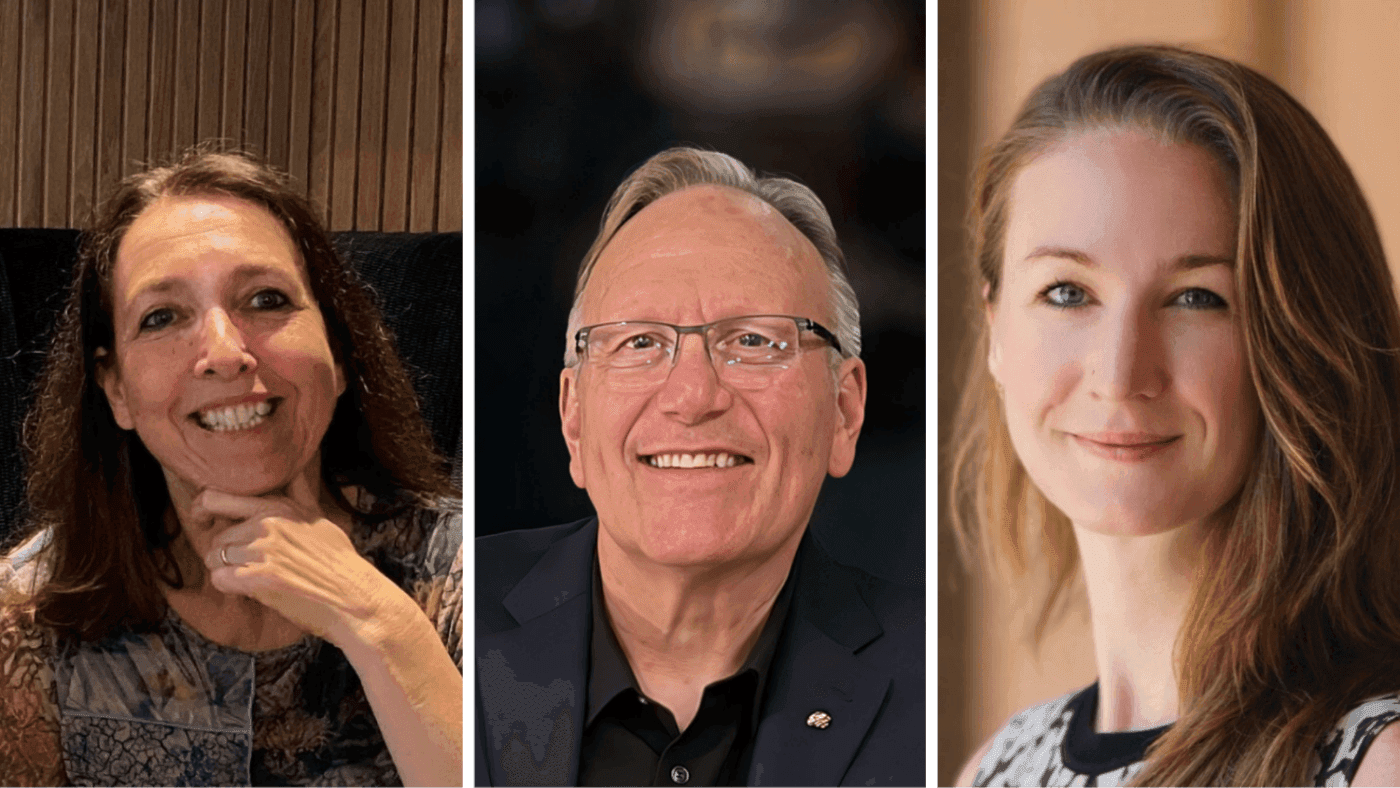
Perhaps even more striking is the departure of neuroscientists Tamara Swaab and Ron Mangun — a married couple who spent more than 30 years building their careers at the University of California, Davis.
Swaab, whose research focuses on the neuroscience of language, and Mangun, who studies the neural mechanisms of attention, have accepted positions at the University of Birmingham. Their move represents a significant loss for American academia.
Swaab, who earned her PhD in the Netherlands, originally came to the United States precisely because it offered more opportunities — particularly for women in science.
"What I always loved about science in the United States was how open it was and how people saw opportunities and would work for them," she recalls. "There was this optimism."
Today, she observes that optimism has migrated. It now lives more prominently in British and European scientific communities than in American ones.
Mangun's transition was also supported by a grant from the U.K.'s Global Talent Fund, a £55 million (approximately $70 million) initiative specifically created to attract world-class researchers from other countries.
The U.K. Is Actively Recruiting American Talent
Britain's ability to attract these researchers isn't accidental — it reflects a deliberate and well-resourced strategy.
The U.K.'s Royal Society and the European Research Council have both introduced grant programs explicitly designed to bring scientists from the United States and other nations into their research ecosystems. Immigration pathways have also been streamlined, making it easier for scientists to obtain the work visas they need to relocate quickly.
For American researchers suddenly facing an uncertain funding environment at home, these offers are proving hard to refuse.
What This Means for American Science
The long-term implications of this brain drain remain to be seen, but the early signals are concerning for the future of U.S. scientific leadership. When experienced, tenured researchers — the kind who anchor departments, mentor graduate students, and attract institutional funding — begin leaving in measurable numbers, the ripple effects extend far beyond the individuals themselves.
As more nations invest aggressively in recruiting international talent and the U.S. continues to restructure its approach to research funding, America's historic advantage in global science may be quietly eroding — one departing researcher at a time.

