Billions Approved for Global HIV Programs, Yet the Trump Administration Is Holding Back the Money
Congress funded global HIV efforts at nearly $6 billion, but funding delays are threatening millions of lives and forcing organizations to shut down critical programs.

Congress Said Yes — But the Money Isn't Flowing
For more than two decades, American investment in the global fight against HIV/AIDS has stood as one of the most consequential public health achievements in modern history. Millions of lives have been saved. Infection rates that once threatened to devastate entire nations have been dramatically reduced. Yet today, the organizations doing this vital work are struggling to keep their doors open — not because Congress refused to fund them, but because the money simply isn't arriving.
Despite lawmakers allocating nearly $6 billion for global HIV/AIDS efforts in fiscal year 2026 — essentially matching the previous year's budget — sources both inside and outside the federal government say the State Department is deliberately withholding a significant portion of those funds. The result is a slow-motion crisis unfolding across dozens of countries that depend on U.S. support to keep their HIV programs running.
A Doctor Who Didn't Expect to Study Employment Law
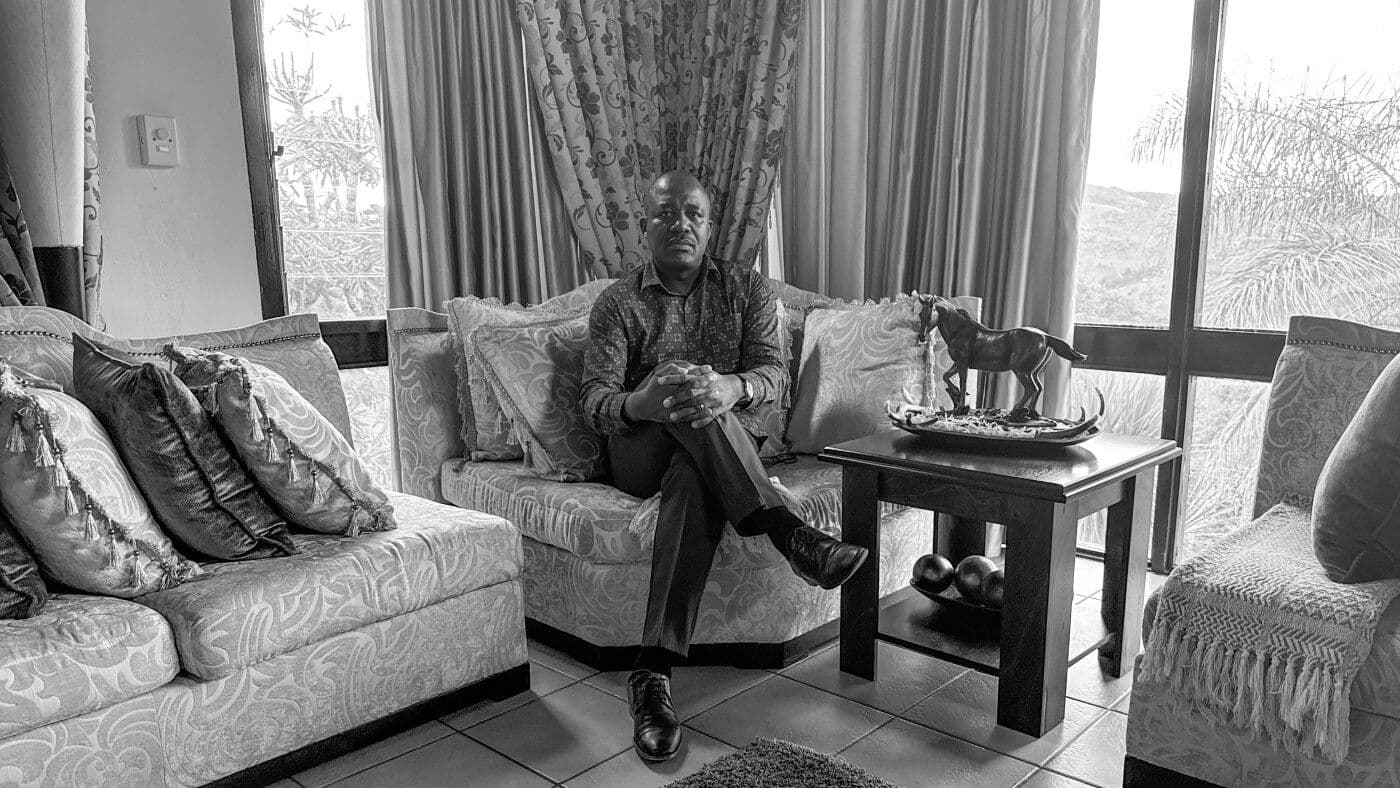
Dr. Caspian Chouraya never imagined that his medical career would lead him into the complexities of labor law. After more than two decades of work in HIV/AIDS treatment and prevention, he now oversees programs across 12 African nations for the Elizabeth Glaser Pediatric AIDS Foundation. But lately, much of his time has been consumed by consultations with legal advisors, trying to navigate the complicated regulations surrounding employee terminations in multiple African countries.
The reason is straightforward and deeply troubling: U.S. funding has become erratic, arriving unpredictably and often far too late to prevent serious disruption. For Chouraya and countless others working in global health, this financial instability is undermining programs that have taken years — and billions of dollars — to build.
"Am I in? Am I out? Am I in? Am I out? What's happening?" he says, describing the constant uncertainty that now defines his work.
The Backbone of Global HIV Work: PEPFAR
At the center of America's global HIV response is PEPFAR — the President's Emergency Plan for AIDS Relief — launched in 2003 under President George W. Bush. Over the course of more than two decades, the program has been credited with saving an estimated 26 million lives and building one of the largest global health delivery systems ever created.
The United States has committed more than $100 billion to this effort since its inception, funding HIV treatment, prevention programs, and technical support to health ministries in countries stretching from Uganda and Lesotho to Côte d'Ivoire and Malawi.
When Chouraya began his career in the early 2000s, the scale of the crisis was almost unimaginable. In Eswatini — the small southern African nation formerly known as Swaziland — more than one in four adults was living with HIV. "Projections were that HIV was just going to wipe out the entire nation," he recalls. "It was really bad."
Thanks in large part to sustained U.S. investment, that trajectory changed dramatically. HIV infection rates declined, treatment became accessible, and what once seemed like an unstoppable epidemic was brought under control.
Cuts, Delays, and a System in Transition
The Trump administration has made no secret of its intention to restructure how the United States delivers foreign aid. After dismantling the U.S. Agency for International Development — which had overseen tens of billions of dollars in global assistance — and canceling a wide range of existing programs, the administration unveiled its replacement framework in September: the America First Global Health Strategy.
Under this new approach, the State Department is negotiating aid agreements directly with recipient governments rather than channeling funds through NGOs, international organizations, or national health systems — the partnerships that formed the backbone of the old model. The goal, according to Jennifer Kates, senior vice president and director of Global Health & HIV Policy at KFF, is to gradually shift financial responsibility to individual countries.
"That was always a goal of PEPFAR," Kates acknowledges. "The Trump administration is accelerating that transition — but the way it is unfolding carries real risks."
To manage the changeover, the State Department gave itself a six-month window — ending March 31 — to have new systems in place. During that period, "bridge funding" was supposed to keep existing lifesaving programs operational.
When Bridge Funding Becomes a Bridge to Nowhere
In practice, the bridge funding has been anything but reliable. The second installment, which was supposed to arrive in December and cover three months of operations, came late for many organizations. For Chouraya's programs in Côte d'Ivoire — covering 53 health facilities — the funds didn't arrive until March.
By then, his team had already been forced to scale back training sessions and suspend non-essential activities in order to preserve core services like medication delivery. When the money finally came through, it was too late to reverse many of the decisions that had already been made.
The human cost of these delays has been immediate and tangible. Support groups for teenagers living with HIV have stopped meeting. Cell phone plans that allowed rural clinics to maintain contact with patients have been canceled. Staff across multiple countries are facing the possibility of termination, and Chouraya is now preparing legal notices to employees — a process he describes as deeply stressful.
"I don't want to lie," he says plainly.
He also fears legal exposure in the other direction: if U.S. funds fail to materialize but his organization hasn't provided employees with the legally required advance notice of termination, they could face lawsuits.
The Deadline Has Passed — And Uncertainty Continues
The six-month bridge funding period has now expired, and the situation many feared is playing out. Multiple organizations across Africa and beyond report receiving word from the U.S. Centers for Disease Control and Prevention that the bridge arrangement has been extended for another three months, covering April through June.
The extension offers little comfort. One official from a large nonprofit operating in a low-income country outside Africa told NPR — under condition of anonymity, citing fear of government retaliation — that a CDC contact advised them to "slow spending in anticipation of this lapse in funding" and to continue operating only on whatever funds they currently had on hand.
For organizations that exist to deliver life-saving medical care, being told to slow down spending is not a neutral administrative instruction. It means people may not receive the treatment they need. It means programs built over years of painstaking work could unravel in a matter of months.
What's at Stake
The stakes of this funding crisis extend far beyond bureaucratic procedure. PEPFAR's success was built on consistency — on the understanding that communities, health workers, and national governments could count on American support year after year. That reliability is now gone, replaced by a cycle of uncertainty that threatens to undo decades of progress.
For Dr. Chouraya and the millions of people his programs serve, the question is no longer just about funding. It's about whether the extraordinary gains made against one of the world's deadliest epidemics can survive a period of deliberate disruption — and what will be lost if they cannot.