Billion-Dollar Bets and Legal Battles: Prediction Markets Face Their Most Chaotic Week Ever
Kalshi raised $1B at a $22B valuation while facing state bans and criminal charges. Here's everything that happened in prediction markets' wildest week yet.

Prediction Markets Are Having a Moment — But Not Always for the Right Reasons
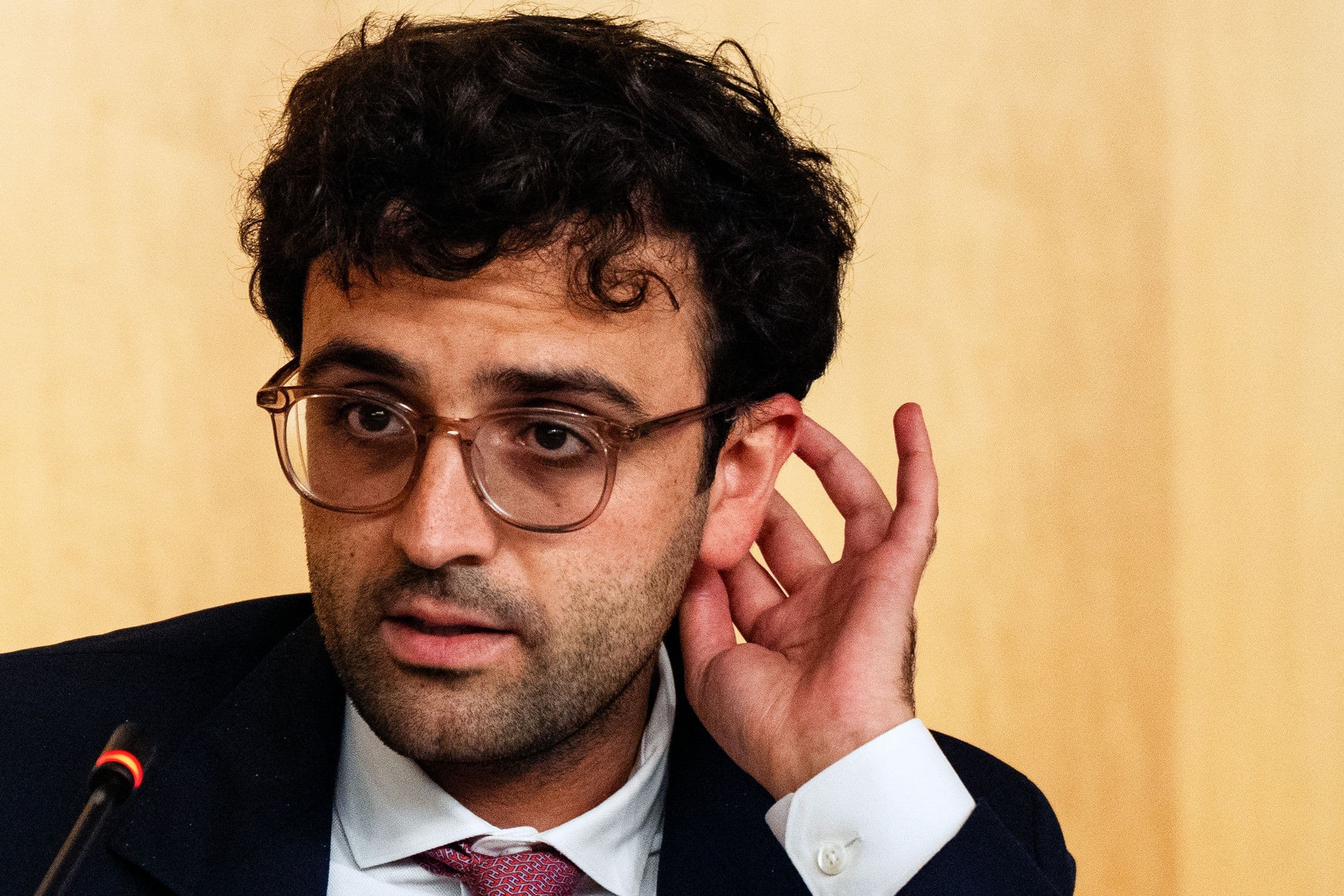
When Kalshi CEO Tarek Mansour posted a video of six business-casual executives doing push-ups on a city sidewalk, it looked like a quirky team-building moment. The caption — "This is how Kalshi Q1 board meeting ended" — drew smiles online. But by the very next day, the real reason for the celebration became unmistakably clear.
Kalshi had just closed a staggering $1 billion funding round at a $22 billion valuation. That number represents roughly double the company's valuation from just a few months prior, a remarkable leap that underscored just how bullish investors remain on prediction markets — even as the industry finds itself engulfed in legal, political, and ethical controversy.
A Five-Day Stretch That Shook an Entire Industry
The funding announcement arrived in the middle of what can only be described as the most turbulent week in prediction market history. Within a single five-day window, the following events unfolded:
- Nevada issued a temporary restraining order against Kalshi, effectively blocking the company from operating in the state.
- Arizona filed criminal charges against Kalshi, accusing the platform of running an illegal gambling operation.
- An Israeli journalist reported receiving a flood of hostile threats from Polymarket users who blamed his reporting for negatively affecting their active wagers.
- Polymarket announced a major partnership with Major League Baseball, deepening the platform's footprint in professional sports.
- U.S. Senators introduced new federal legislation aimed at banning specific categories of prediction markets, including those tied to government decisions, terrorism, war, assassination, and any event where a participant might have insider knowledge or direct influence over the outcome.
Senators Push Back: 'A Rigged and Dangerous Product'
Senator Chris Murphy, one of the bill's co-sponsors and perhaps the most vocal critic of prediction markets in Congress, pulled no punches in describing his concerns. Speaking with WIRED, Murphy called prediction markets "a rigged and dangerous product" and characterized them as "a brand-new source of mind-bending corruption."
His most alarming concern centers on insider trading. Murphy pointed to reports that Israeli authorities had charged two of their citizens with leaking classified military intelligence by placing bets on Polymarket tied to the conflict with Iran. The Senator believes similar activity may be occurring among individuals connected to the Trump administration — people with advance knowledge of military decisions who could stand to profit financially from their positions.
"It's bone chilling to think that there are staffers inside the situation room that are pushing the United States into war, not because it's good for our security, but because they're going to make $100,000 off it," Murphy said.
The White House pushed back firmly on those accusations. Spokesperson Davis Ingle stated that "the only special interest guiding the Trump Administration's decision-making is the best interest of the American people."
Where the Law Currently Stands
The Commodity Futures Trading Commission (CFTC) already holds legal authority to ban prediction market offerings related to assassination, war, and terrorism — categories deemed contrary to the public interest. Some platforms voluntarily avoid these areas. Kalshi, for its part, prohibits insider trading and markets directly connected to death and warfare.
"Kalshi already bans insider trading and markets directly tied to death and war," said company spokesperson Elisabeth Diana. "As a US-based exchange, we support regulators and policymakers from both sides of the aisle in their efforts to keep these markets safe and responsible in America."
However, the lines are not always clear to everyday users. Confusion recently erupted when some bettors assumed that a market tied to whether Iran's supreme leader would "leave office" would pay out if he were killed — a situation that exposed how easily the platform's terms can be misunderstood.
Polymarket Operates in a Gray Zone — And It's Thriving There
Polymarket, which primarily operates outside U.S. jurisdiction, has fewer restrictions on the types of markets it hosts. The platform currently lists active markets on whether Israeli Prime Minister Benjamin Netanyahu will be removed from power by specific dates. One bettor recently placed $177,000 on the outcome that he would be "out" by March 31.
If Netanyahu were to die, Polymarket would likely resolve such a market as "yes" — consistent with how it handled a similar market when Iran's Supreme Leader Ali Khamenei was killed. This approach places the platform in a legally and ethically ambiguous position, particularly as federal lawmakers seek to draw clearer boundaries.
Polymarket did not respond to requests for comment regarding the proposed legislation or its market resolution practices.
State-Level Crackdowns Are Escalating
Beyond the federal push, a growing number of states are taking enforcement matters into their own hands. Nevada's temporary restraining order mirrors a similar ban previously placed on Polymarket's U.S. operations. Arizona's decision to pursue criminal charges — rather than simply issuing cease-and-desist letters or civil penalties — marks a significant escalation in how states are choosing to respond.
Gaming attorney Daniel Wallach described the Arizona move as potentially "kryptonite" for Kalshi. Because federal courts typically refrain from exercising jurisdiction when criminal proceedings are ongoing at the state level, these charges could effectively neutralize Kalshi's ability to fight back through federal litigation. Wallach predicted that other states could soon follow Arizona's lead.
Kalshi has characterized the charges differently. "These charges were filed to circumvent federal court and short-circuit the normal judicial process," Diana said.
Kalshi Takes the Fight to Ohio
In an effort to get ahead of the legal wave, Kalshi filed a motion in Ohio on Friday seeking to prevent the state's attorney general from pursuing both civil and criminal action while the company appeals an earlier ruling requiring it to comply with state gambling regulations.
"These charges are meritless, and we look forward to fighting them in court," Diana added.
Meanwhile, Polymarket Opens a Bar
In a move that perfectly captures the strange cultural moment surrounding prediction markets, Polymarket responded to the week's chaos by opening a pop-up bar in Washington, D.C. for the weekend — giving industry observers, bettors, and curious onlookers a physical space to gather and follow the ongoing drama in real time.
Whether that kind of confident showmanship reflects genuine strength or an industry trying to project calm amid a gathering storm remains to be seen. What is clear is that prediction markets have moved well beyond the fringes of finance and technology — and the battles being fought over their future will shape how Americans engage with information, money, and political power for years to come.
