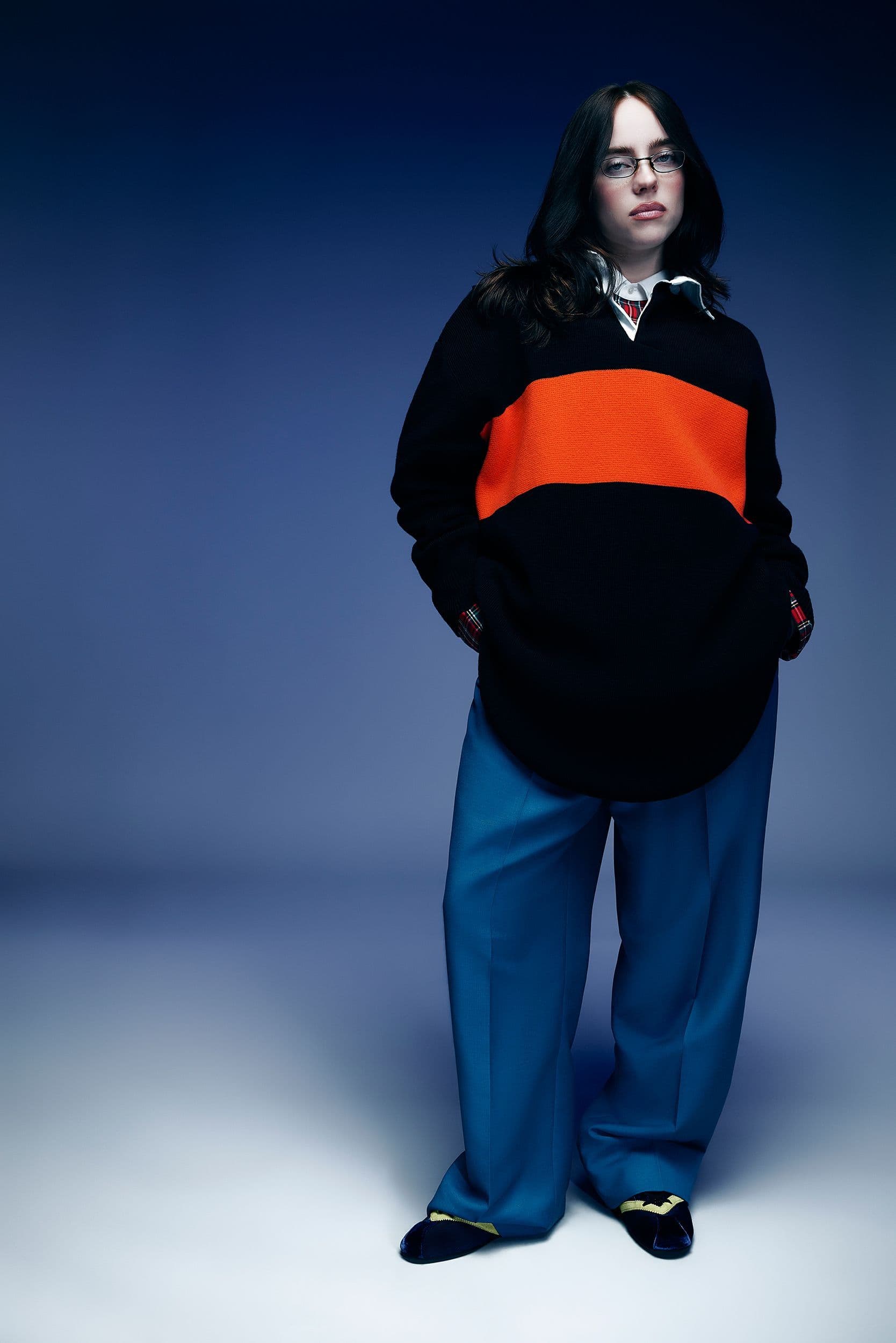
Billie Eilish Questions Whether Her Rise to Stardom Could Ever Be Repeated
Billie Eilish built her career on the early internet, but even she isn't sure the music world could produce another artist like her in today's digital landscape.

Could the Music Industry Ever Produce Another Billie Eilish?
Billie Eilish's journey to global superstardom reads like the ultimate underdog story — a teenage girl uploading music to SoundCloud before anyone knew the platform could birth pop icons. But now, at 24, even Eilish herself isn't convinced that story could be written again. When asked where the next breakout talent might emerge from, her answer is disarmingly honest: "Oh my god! I have no idea."
A Different Era of Discovery
When Eilish first began sharing her music online, SoundCloud was still finding its footing as a platform. Artists were only beginning to understand the power of livestreams, Instagram, and social media videos as tools for building devoted fanbases organically. That era of relatively unfiltered discovery now feels like a distant memory.
"I'm very curious to see what the future holds," Eilish says. "I don't know where the next whoever is gonna come from. I can't wait to see them and I can't wait to cheerleader them, whoever it may be."
By 2026, the digital music landscape has shifted dramatically. Everyone seems to have cracked the code — or claims to — on gaming algorithms for maximum streams and views. Yet the authenticity that once made online discovery feel exciting has largely evaporated, drowned out by artificial intelligence-generated content and hollow engagement tactics.
Authenticity in the Age of AI Noise
Despite her reservations about the modern internet, Eilish remains a firm believer in the power of genuine human creativity. She insists that art should be "attainable for everyone" and that the internet, for all its chaos, still provides that opportunity.
"There's all sorts of technologies now where it seems like we're all doomed, but we're not," she told WIRED. "If we keep making real stuff, real art made by humans — live music, live audiences — I don't see that ever dying."
It's a sentiment that feels particularly relevant given her latest project. Her new concert film, Hit Me Hard and Soft: The Tour (Live in 3D), released May 8, serves as a compelling argument for the irreplaceable value of real-world, in-person connection. Co-directed with none other than James Cameron, the film uses immersive 3D technology to transport viewers into the heart of her live shows. Interspersed with concert footage are candid interviews with fans about what her music means to them — a love letter to collective experience from one of the internet's most iconic figures.
How the Internet Shaped Billie Eilish's Identity
Paula Harper, a musicologist at the University of Chicago who specializes in internet fandoms, notes that Eilish became more than just a pop star during her rise — she became a cultural symbol. Her success made her a "really useful rhetorical figure for music journalists to articulate industry shifts in the digital age."
The relationship between artists and their online audiences has grown increasingly complex. As technology promises greater access to musicians' personal lives, fans begin to expect it as a standard part of their experience. This creates a self-reinforcing loop where every social media post is scrutinized like an Easter egg, assumed to be a hidden window into the artist's inner world.
Eilish, who signed with Interscope's imprint The Darkroom in 2016, was keenly aware of this dynamic from the beginning. While preparing her debut album When We All Fall Asleep, Where Do We Go?, she was shadowed by a documentary crew — footage that would later become The World's a Little Blurry. In it, her brother and longtime collaborator Finneas reveals that she was "so woke about her own persona on the internet" that she feared any misstep could invite a backlash.
Those fears proved unfounded. The album debuted at number one on the Billboard 200 in 2019, and Eilish walked away with five Grammy Awards at just 18 years old.
The "Industry Plant" Debate and the Question of Meritocracy
Massive success, however, invites scrutiny. Harper points out that when an artist becomes the poster child for a supposedly more democratic, gatekeeping-free music ecosystem, they also become a lightning rod for criticism — particularly when people begin questioning whether their rise was truly organic.
As early as 2019, outlets were raising doubts about whether Eilish's ascent was entirely self-made, pointing to her family's entertainment industry connections and institutional backing from platforms like Spotify. "Eilish is one of the first artists I heard associated with the term 'industry plant,'" Harper notes.
This conversation has only grown louder in the years since. The band Geese faced similar accusations after WIRED reported that they had partnered with a marketing company called Chaotic Good Projects to engineer online buzz. Meanwhile, artists like Addison Rae have leveraged TikTok to launch legitimate careers, but with bots and artificial engagement flooding every platform, identifying a truly grassroots breakthrough has become nearly impossible.
Can the Algorithm Be Beaten?
According to media analyst Ryan Broderick of Garbage Day, the answer is largely no — at least not in the way most people assume. Despite fake streams and other manipulation tactics, the vast majority of marketing firms simply cannot fool major platform algorithms over the long term. More often than not, the relationship works in reverse: a well-known artist drops an album, Spotify places it in curated playlists, and that visibility then drives growth on Instagram and TikTok — not the other way around.
Yet people keep scrolling, keep clicking, and keep searching for the next big thing. Artists like Eilish made audiences believe that their new favorite musician is always just one swipe away. Even she admits she hasn't been able to fully step back from the platforms that made her.
"I'm still on more than I'd like to be, but I can't help myself," she says with characteristic candor. "There's just so much good shit on there. But also it's horrible. I have to click the comments no matter what, which is not good for me."
Whether the next Billie Eilish is out there — uploading songs from a bedroom, waiting to be found — remains an open question. But if she does exist, Eilish will be among the first to cheer her on.

