Beat the Extreme Heat Without Air Conditioning: Proven Tips from the World's Hottest Regions
No AC? No problem. A heat researcher shares time-tested strategies from India and beyond to help you stay cool during extreme summer heat waves.

Surviving Extreme Summer Heat Without Air Conditioning
As temperatures continue to shatter records across the globe, millions of people face a harsh reality: surviving brutal heat without access to air conditioning. But long before modern cooling systems existed, communities in some of the world's hottest regions developed remarkably effective strategies for staying cool.
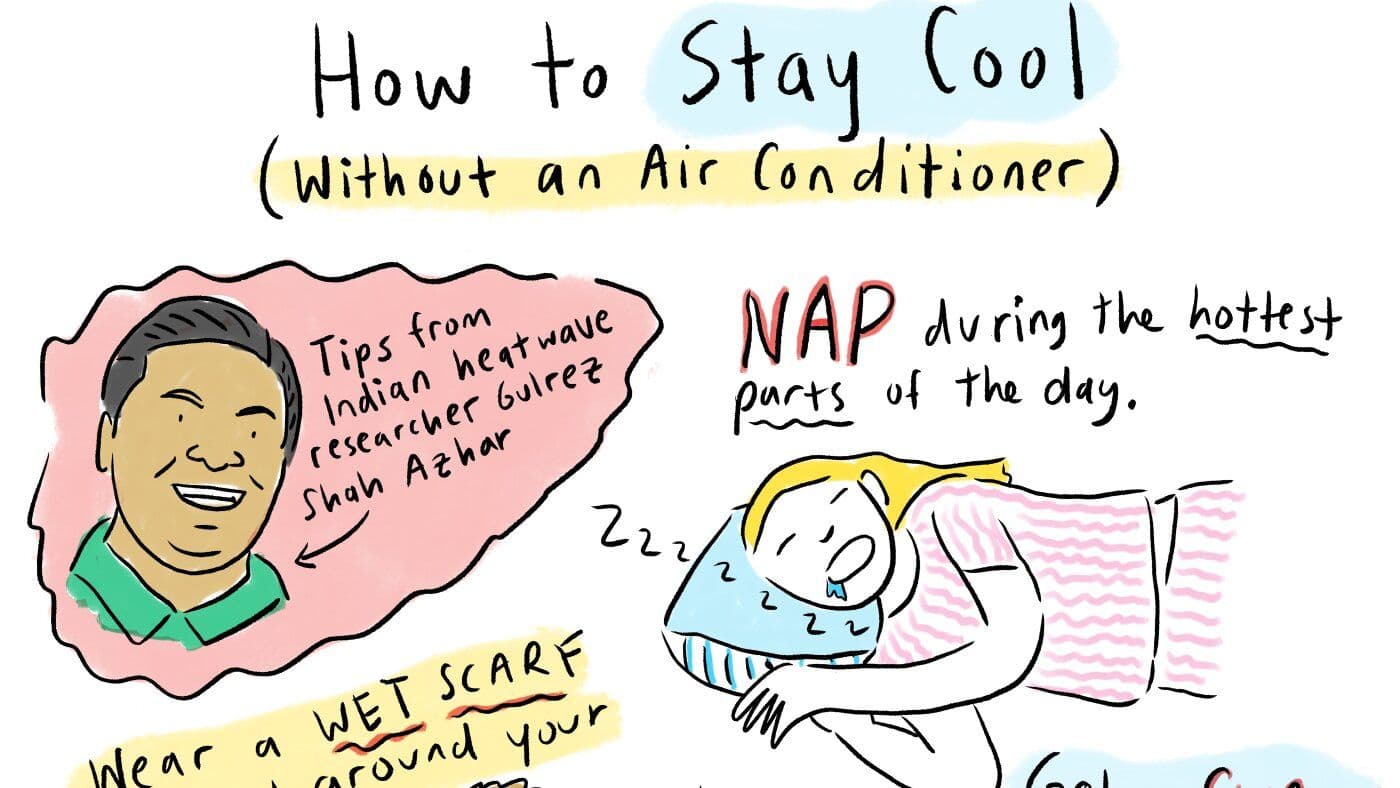
Dr. Gulrez Shah Azhar, a heat health researcher and Aspen New Voices fellow based in Seattle, grew up in Uttar Pradesh, India — a region where May and June temperatures regularly climb past 120°F. With a regional per capita income of roughly $1,000 annually, air conditioning simply isn't an option for most residents there. Yet people endure and adapt.
Here are the most effective heat-management techniques drawn from generations of wisdom, combined with insights from modern heat research.
Important: If you or someone nearby shows signs of heatstroke — including high fever, severe headache, nausea, confusion, or sudden weakness — call emergency services immediately. Apply ice packs while awaiting medical care. Heatstroke is life-threatening and requires urgent attention.
Hydration: Your First and Most Critical Defense
Drink Constantly, Even Before You Feel Thirsty
One of the most fundamental lessons passed down through generations in hot climates is simple: never let yourself become dehydrated. Sip water consistently throughout the day, especially before, during, and after any physical activity. Carrying a water bottle isn't just practical — in extreme heat, it can be lifesaving.
Replenish Electrolytes with Traditional Cooling Drinks
Plain water alone isn't always enough. Sweating causes the body to lose essential electrolytes, which must be replaced. In India, several traditional beverages have served this purpose for centuries:
- Aam ka pana – A tangy drink made from boiled raw mangoes, this refreshing beverage replenishes electrolytes effectively. Pre-made mixes are available at ethnic grocery stores and online retailers.
- Coconut water – Naturally rich in electrolytes and deeply hydrating.
- Sugarcane juice – A popular, energizing thirst-quencher across South Asia.
- Lassi and buttermilk – Milk-based, cooling beverages that are staples of Indian summers.
Never Step Outside on an Empty Stomach
Eating something before heading out in the heat helps maintain your body's energy levels and stability. A few slices of cucumber — which contains natural dissolved electrolytes — or a serving of pineapple works well. In India, cucumber is commonly sprinkled with black salt to further boost its restorative properties.
Cool Your Body Down Directly
Use Water Strategically
A cold shower provides immediate relief from rising body temperature. If a full shower isn't possible, splashing cool water on your face, neck, wrists, and the top of your head can produce a noticeable cooling effect quickly.
For families with children, turning cooling into play makes perfect sense. Water balloon fights, backyard splash sessions, and tubs filled with cool water are as effective as they are enjoyable — and children in hot countries around the world have relied on these methods for generations.
Optimize Your Living Space for Coolness
Find and Use the Coolest Zones in Your Home
Heat naturally rises, which means lower floors of any multi-story building will be significantly cooler than upper levels. Identify the coolest rooms in your home and prioritize spending time there, especially during the hottest part of the day.
Other effective indoor strategies include:
- Heavy curtains – Block direct sunlight during daylight hours to prevent indoor temperatures from rising.
- Strategic fan placement – Fans don't lower air temperature but dramatically improve how cool your body feels through evaporation.
- Window positioning – Move furniture, including beds, closer to windows to take advantage of natural night breezes.
- Verandas and shaded outdoor areas – Shaded, open-air spaces often feel cooler than enclosed indoor rooms.
Take Inspiration from Ancient Architectural Cooling
Traditional architecture across South Asia developed ingenious passive cooling solutions long before electricity existed:
- Jaali screens – A latticed stone or wood design featuring geometric cutouts, similar to those found on the Taj Mahal. These screens block direct sunlight while simultaneously accelerating airflow through the small openings, producing a natural cooling effect.
- Water features – Structures like the Hawa Mahal (Palace of Winds) in Jaipur used courtyard water bodies strategically. Wind passing over these water sources picked up moisture before flowing through thousands of latticed windows, cooling interior spaces naturally.
Use Wet Curtains and Evaporative Cooling
A highly effective low-tech trick involves hanging a curtain woven from grass — traditionally made from a fragrant grass called khus in India — over doorways and spraying it with water. Hot outside air passing through the wet curtain is converted into a cool, humid breeze indoors. Fine bamboo curtains with a damp inner cloth layer work similarly.
For a modern equivalent, swamp coolers (also called evaporative coolers) operate on the same principle. These electrical devices draw room air across water-saturated pads and return cooled air to the space. They are significantly cheaper to purchase and operate than traditional air conditioners, and they work best in low-humidity environments. DIY versions can even be assembled at home.
Dress Smarter in the Heat
Choose the Right Fabrics
Cotton and linen are the ideal materials for hot weather clothing. Both fabrics feature loosely woven fibers with larger pores that allow air to circulate freely against the skin, promoting cooling through evaporation.
Understand the Science of Color
The relationship between clothing color and body temperature is more nuanced than most people realize. While white reflects sunlight and heats up slowly, black absorbs heat faster but also releases it faster once you move into shade.
Nomadic Rabari communities in western India apply this knowledge practically: women who move frequently between indoors and outdoors wear darker colors that cool down quickly in shade, while men who spend prolonged periods outdoors wear lighter colors that heat up more slowly under direct sun.
Protect Your Head
Covering the head is one of the oldest and most universal heat-protection practices. Options include:
- Dampened cloth wraps – A wet gamcha (a light traditional cotton cloth) worn around the head or neck provides significant cooling through evaporation and is used widely across rural India.
- Turbans – Historically worn by both royalty and common people across South Asia, turbans offer excellent insulation from solar heat.
- Lightweight hats – Even a simple damp towel draped over the head offers meaningful protection from direct sun exposure.
Adjust Your Schedule Around the Heat
One of the most practical and underutilized strategies is simply rescheduling physical activity away from peak heat hours. In Uttar Pradesh, farmers work in the early morning and late evening, avoiding the intense midday sun entirely. Local markets often close during the hottest afternoon hours and reopen into the cooler evenings.
If your schedule allows any flexibility, shift outdoor tasks, exercise, and errands to early morning or after sunset. During peak heat hours, rest indoors — an afternoon siesta isn't laziness; it's physiologically sound heat management.
Use Natural Shade — and Plant More Trees
Whether commuting, working, or simply walking outside, consistently seek shade beneath trees. While the ambient air temperature under a tree is technically the same as in direct sunlight, your skin avoids absorbing solar radiation, which significantly reduces how much your body heats up.
Planting trees is also a long-term investment in community cooling. The shade trees provide today was planted by previous generations. Continuing that tradition — even knowing the full benefit may not be felt in our own lifetimes — is one of the most meaningful contributions any community can make in the face of rising global temperatures.
Final Thoughts
Extreme heat doesn't have to mean suffering, even without air conditioning. The strategies outlined above — drawn from centuries of lived experience in some of the world's hottest places — demonstrate that the human body can be protected, cooled, and sustained through thoughtful hydration, smart dressing, architectural awareness, and behavioral adjustments.
Applied together, these methods provide meaningful relief. The key is awareness, preparation, and respecting the serious power of heat before it becomes dangerous.