Bafta Admits Duty of Care Failure After Racial Slur Incident at Film Ceremony
An independent review found Bafta fell short in protecting guests and viewers when a Tourette's campaigner involuntarily shouted a racial slur during the live awards show.

Bafta Acknowledges Serious Shortcomings Following Awards Ceremony Incident
An independent review has concluded that Bafta failed in its duty of care to guests, members, and viewers after a racial slur was inadvertently shouted during its prestigious film awards ceremony in February. While the review confirmed there was no malicious intent behind the incident, it highlighted significant gaps in the organisation's planning and risk management procedures.
What Happened on the Night
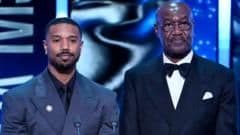
Tourette's syndrome campaigner John Davidson involuntarily shouted a racial slur — specifically the n-word — while acclaimed Black actors Michael B Jordan and Delroy Lindo were on stage presenting an award. The two stars, known for their roles in the film Sinners, continued with their presenting duties despite the disruption, though the moment cast a shadow over what should have been a night of celebration.
Following the ceremony, Lindo spoke to Vanity Fair, saying he and Jordan "did what we had to do" by pressing on, but expressed disappointment that no Bafta representative approached them afterward to check in.
Independent Review Findings
The review, conducted by Rise Associates, identified what it described as "structural weaknesses" in Bafta's event planning, escalation protocols, and crisis management frameworks. Crucially, however, it stopped short of labelling the incident as evidence of institutional racism.
"Institutional racism means that racial bias is embedded within systems, policies, and culture, producing discriminatory outcomes regardless of individual intent," the review stated. "The available evidence does not support that conclusion here."
Instead, the report pointed to a different problem: Bafta's internal planning and governance structures had simply failed to keep pace with the organisation's own diversity and inclusion ambitions.
The review also acknowledged the complexity of the situation, noting it involved "a challenging intersection of disability, live broadcast risk, and the use of language carrying a profound and painful historical weight." It further highlighted a broader tension — the need to balance accessibility for participants with the safety and dignity of everyone else in attendance and watching from home.
Bafta's Response and Apology
In a formal statement released on Friday, Bafta offered an unreserved apology to the Black community, the disabled community, and all those present at the ceremony or watching the broadcast.
"What was supposed to be a moment of celebration was diminished and overshadowed," the organisation acknowledged.
Bafta also admitted that it had not "adequately anticipated or fully prepared for the impact of such an incident in a live event environment," confirming that personal apologies had been sent directly to those most affected.
The organisation stated it has accepted the review's conclusions in full and that work is already underway to implement the recommended improvements, with the aim of preventing a similar situation from arising in the future.
BBC Also Finds Broadcast Standards Were Breached
The Bafta review followed a separate investigation by the BBC, published earlier in the week, which found that broadcasting the slur had breached the corporation's editorial standards. The BBC's complaints unit ruled the moment should not have made it to air, though it similarly confirmed the breach was unintentional.
Davidson Speaks Out
John Davidson himself addressed the incident publicly, emphasising that his vocal tics carry absolutely no intentional meaning.
"I want to be really clear that the intent behind them is zero," he said in an interview with Variety. "What you're hearing is a symptom — not my character, not my thought, not my belief."
Davidson went on to explain the unpredictable and often distressing nature of Tourette's syndrome. "Tourette's can feel spiteful and searches out the most upsetting tic for me personally and for those around me," he said. "The most offensive word I ticked at the ceremony is a word I would never use and would completely condemn if I did not have Tourette's."
Moving Forward
Bafta ceremony host Alan Cumming had previously issued his own apology for the "trauma-triggering" nature of the event. As the organisation now works to rebuild trust and strengthen its internal frameworks, the incident serves as a stark reminder of the complex responsibilities broadcasters and event organisers carry when staging major live events in an increasingly diverse and inclusive landscape.