Bacha Posh: The Hidden Lives of Afghan Girls Who Live as Boys to Survive
Under Taliban rule, some Afghan families disguise their daughters as boys just to survive. The ancient practice of bacha posh is rising once more.

A Taliban Video Reveals a Painful Hidden Reality
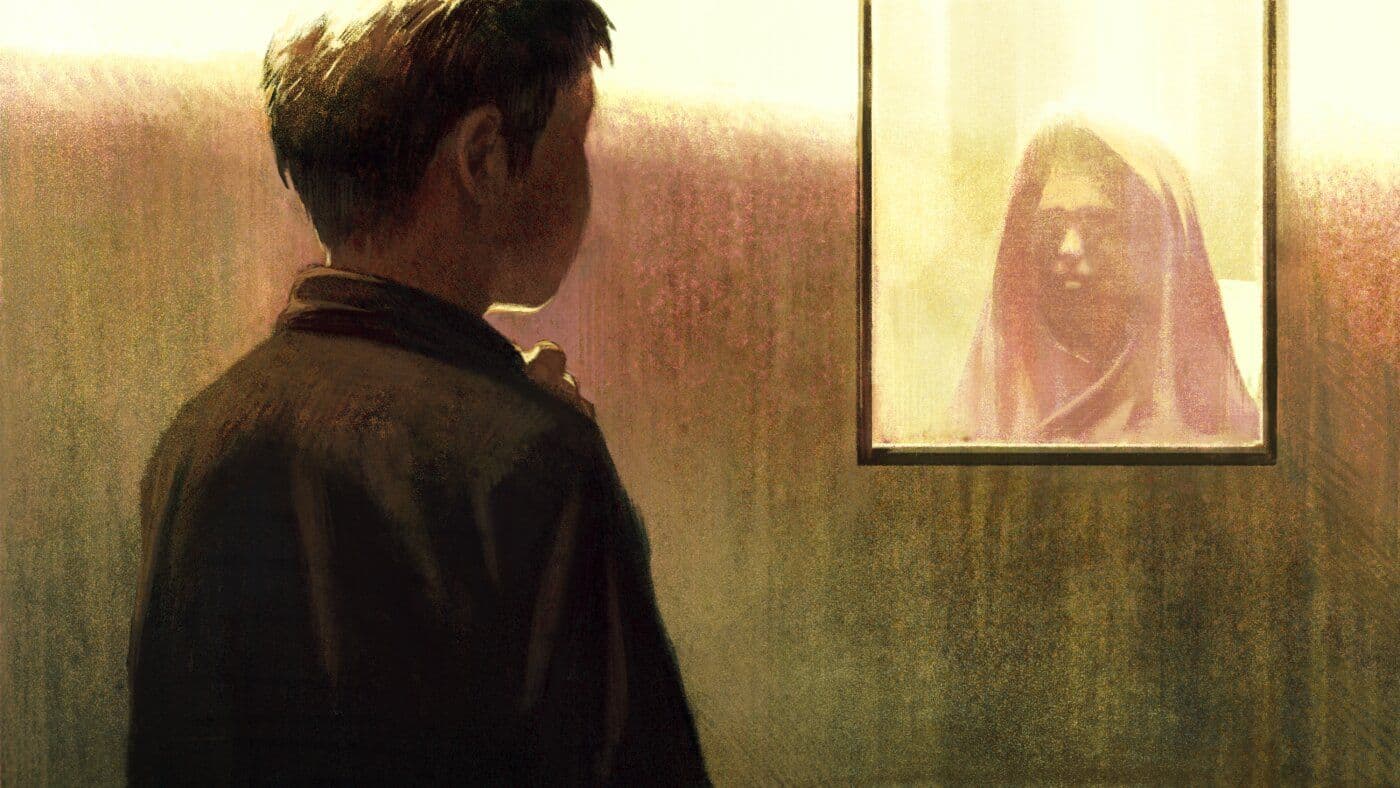
A short, unsettling video circulated on social media in early February has drawn global attention to one of Afghanistan's most deeply rooted and misunderstood cultural practices. Released by Taliban authorities, the four-minute clip shows a frightened child seated in a dimly lit room, being interrogated by an unseen Taliban agent. The child is 13 years old, dressed in loose trousers, a long shirt, and a traditional beaded cap — the clothing of an Afghan boy. But she is a girl.
The Taliban claim the footage was recorded approximately four years ago, shortly after they seized control of Afghanistan in August 2021. They have not explained why it was released now, and the fate of the young girl shown in the video remains unknown.
What Is Bacha Posh?
The practice of girls disguising themselves as boys has existed in Afghanistan for centuries. It even carries its own name: bacha posh, a Dari phrase that translates roughly to "dressing like a boy." Historically documented across generations, the tradition has been explored in numerous cultural works, including the 2003 film Osama, the 2018 Oscar-nominated animated film The Breadwinner — produced by Angelina Jolie — and the 2014 book The Underground Girls of Kabul.
While the practice once may have been tied to a desire for adventure or military service, its meaning in contemporary Afghanistan is far more desperate. Today, bacha posh is largely a survival strategy — a response to the Taliban's suffocating restrictions on women's rights and freedoms.
Why Families Are Turning Daughters Into Sons
Under the Taliban's governing framework, women are prohibited from working in most professions and are increasingly confined to domestic spaces, stripped of participation in public life. According to Sahar Fetrat, a researcher with the Women's Rights Division at Human Rights Watch, this amounts to a system of "total female subordination."
With the United Nations estimating that nearly 85% of Afghanistan's population is struggling to meet basic needs, families without male breadwinners face an impossible situation. In response, some mothers — particularly those raising multiple daughters with few or no sons — make the calculated decision to present one daughter publicly as a boy.
"I have come across such cases frequently in recent years," says a mental health professional working in western Afghanistan, who asked to be identified only by her initials, NT, citing fear of Taliban retaliation. "My clients are dressing their daughters as boys so they can work and support their families."
She notes that it is typically mothers with "lots of daughters and no sons" who make this choice, effectively transforming one child's public identity to keep the household afloat.
The Practical Advantages of a Boy's Identity
Beyond earning income, a bacha posh serves another critical function in Taliban-controlled Afghanistan. Taliban enforcers — particularly agents of the ministry for the prevention of vice and promotion of virtue — have enforced rules requiring women and girls to be accompanied in public by a mahram, a male guardian. Crucially, even a boy can fulfill this role.
This creates a practical loophole. A girl disguised as a boy can escort her mother and sisters on errands, navigate public spaces without harassment, and move through daily life with a degree of freedom entirely denied to girls.
One of the mental health counselor's clients, a 16-year-old who goes by the male name Omid, has lived this reality since the age of three. Following her father's death, Omid's mother made the decision to raise her as a boy. As one of seven sisters with only one brother, Omid assumed the role of mahram for her family — accompanying them on trips and helping secure an income.
"He has the freedom to travel and work. He is friends with local boys," the counselor recounted. The motivation was not only economic. "In Afghan culture, sons are seen as valuable. So sometimes, families who don't have sons will dress up one of their daughters to avoid social criticism."
The Psychological Cost of Living a Double Life
While bacha posh girls may experience a form of freedom that most Afghan girls never know — playing in the streets, visiting shops, moving through public space without scrutiny — this freedom comes at a significant psychological price.
When these girls reach puberty and can no longer maintain the disguise, many face profound identity crises. Some find it deeply difficult to transition back into the restrictive feminine roles that Afghan society demands. Trauma, confusion, and resentment are common outcomes, according to both the mental health counselor and a psychologist who has worked with victims of gender-based violence in Afghanistan. Both professionals requested anonymity due to the risks of speaking openly about this topic under Taliban rule.
Omid, now navigating adolescence, is being asked to relinquish the only identity she has known. The psychological toll, her counselor confirms, has been severe.
Danger in Both Worlds
Bacha posh girls do not simply inherit the privileges of boyhood — they also inherit its dangers. Fetrat of Human Rights Watch warns that girls living under male disguise are exposed to serious risks, including sexual abuse, exploitative child labor, and profound physical and psychological harm.
"The girls subjected to this practice face abuses outside the home," Fetrat says, "including sexual abuses, child labor, and severe psychological, physical, and identity-related harms."
For Fetrat, the existence of bacha posh is not merely a cultural curiosity — it is a symptom of a system designed to dehumanize women and girls.
A System With No Good Options
The Taliban's response to the viral interrogation video — releasing it publicly while offering no comment — speaks volumes about how the group views women who step outside their prescribed roles. Girls who disguise themselves as boys simply to eat, to work, or to accompany their families face punishment if discovered.
"The Taliban's misogynist structure systematically treats women and girls as inferior," Fetrat says. "Yet when women and girls are left with no choice but to dress as males just to survive, they are met with punishment."
For the girls of Afghanistan, there are no safe paths — only the least dangerous ones.