Asia's Coal Comeback: How the Iran Conflict Is Reshaping Regional Energy Strategy
As war disrupts global LNG supplies, Asian nations are racing back to coal. Experts warn the short-term fix carries serious long-term consequences.

Asia Turns to Coal as Iran War Tightens Global LNG Markets
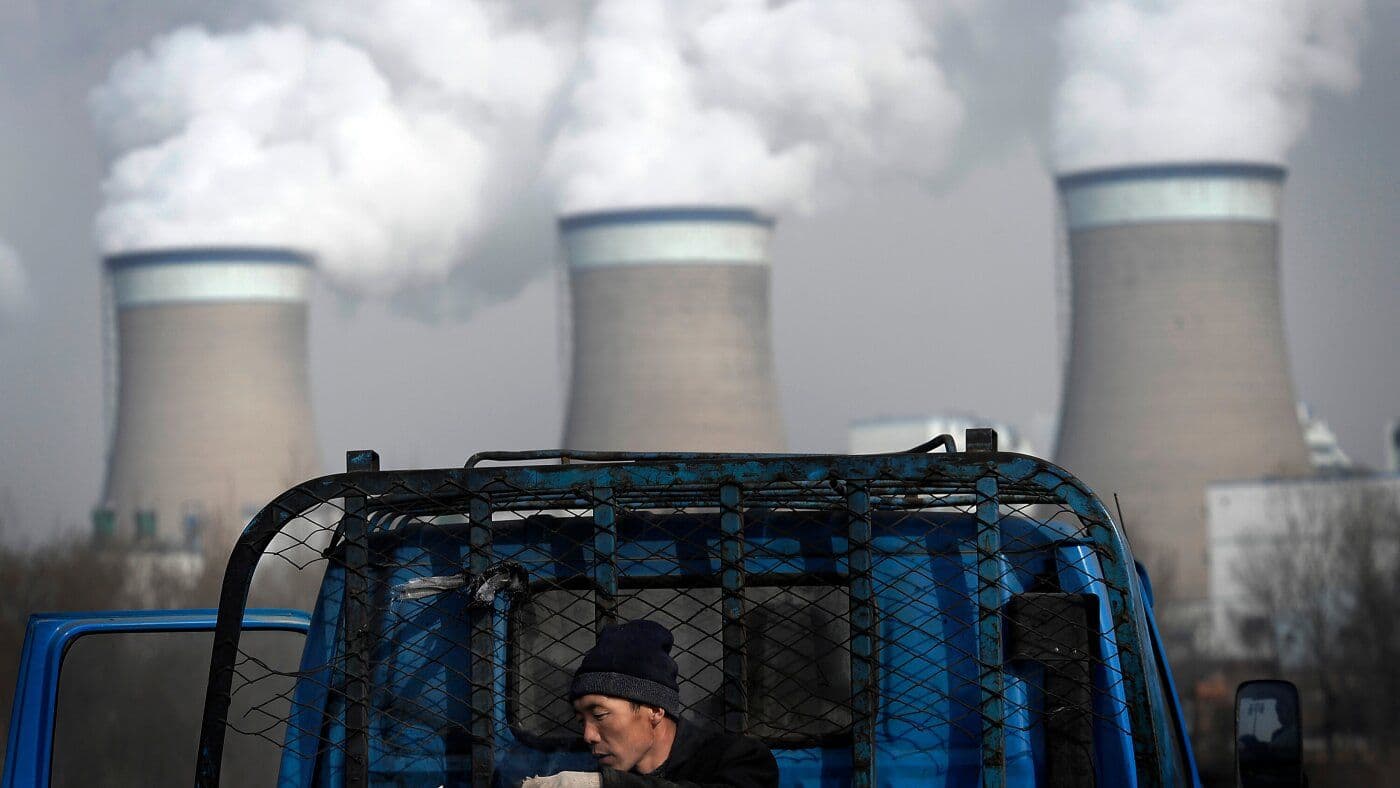
Across Asia, governments are dusting off old coal contracts and ramping up output at aging power plants. The trigger: a war involving Iran that has thrown global liquefied natural gas supplies into disarray, forcing energy-hungry nations to fall back on the most polluting fossil fuel available.
Analysts acknowledge that coal can plug immediate supply gaps, but they caution that leaning too heavily on it will deepen air pollution, accelerate climate damage, and ultimately delay the region's transition to cleaner energy sources.
Why Asia Is So Exposed
The continent's vulnerability stems from its deep dependence on imported energy — much of which flows through the Strait of Hormuz, a narrow waterway that handles roughly one-fifth of the world's oil and natural gas trade. When that corridor comes under pressure, supply chains throughout Asia feel the strain almost immediately.
Liquefied natural gas — natural gas chilled to liquid form for easier transport and storage — had been positioned as a cleaner stepping stone between coal and renewable energy. The United States had been actively working to grow its LNG export market across Asia. While LNG burns cleaner than coal, it still releases greenhouse gases, particularly methane, which contributes to global warming.
With LNG supplies now constrained by conflict, countries across the region are compensating with coal-fired power.
Who Is Burning More Coal — and Why
India
India, the world's second-largest coal consumer and producer, is preparing for an intense summer season. Peak electricity demand is expected to hit 270 gigawatts — a figure that nearly doubles Spain's entire generating capacity. To meet that load, India is increasing coal consumption significantly. Current stockpiles are sufficient for approximately three months, with some reserves set aside specifically for small businesses.
Two recent liquefied petroleum gas shipments totaling over 92,700 tons did successfully navigate the Strait of Hormuz, though experts suggest those imports are more likely destined for industrial uses like fertilizer manufacturing than power generation.
South Korea
South Korea has suspended its limits on coal-fired electricity generation in response to LNG shortfalls. The country has made formal commitments to retire the majority of its coal plants by 2040 and cut emissions in half by 2035. Yet its renewable energy build-out has been sluggish — wind and solar supplied only 10% of its electricity in 2024, well below the global average of 32%.
Over the past eleven years, South Korea has poured $127 billion into fossil fuel investments — thirteen times what it has spent on renewables. Fuel imports alone cost the country $120.1 billion in 2024. Energy analysts warn that emergency coal measures could become entrenched long after the immediate crisis subsides.
Indonesia
As the world's largest coal exporter, Indonesia is now redirecting its supply inward, prioritizing domestic power needs over international contracts. That decision is already tightening regional availability and pushing coal prices higher globally. The country was struggling even before the Iran war to meet early coal plant retirement targets, partly due to persistent financing delays.
Coal power in Indonesia cost 48% more in 2024 than it did in 2020, driven by aging infrastructure and rising operational expenses. Government subsidies to the national utility climbed 24% to $11 billion — roughly 5% of the entire national budget.
China
China, the world's top coal consumer and producer, has been steadily expanding its coal power generating capacity since 2021 as part of a broader energy security strategy. National policy continues to endorse coal use even as the country simultaneously builds out massive renewable energy infrastructure. China has also increased coal consumption to compensate for reduced hydropower output caused by widespread droughts — a dynamic that experts say creates a self-reinforcing cycle of emissions and climate vulnerability.
Southeast Asia
Thailand, the Philippines, and Vietnam are all boosting coal-fired generation. Vietnam, in particular, has seen supply uncertainty compound its problems. After ramping up coal imports to offset weather-related shortfalls, it now faces unreliable shipments from Indonesia and is exploring alternative sources including the United States and Laos.
For countries like Thailand, where coal represents less than 10% of the domestic energy mix, the effect on electricity prices is expected to be relatively contained.
The Price of Going Back to Coal
Coal is traded on global markets, which means importers remain exposed to price volatility regardless of how much they consume. The benchmark Newcastle coal price from Australia has already climbed 13% since the conflict began. That increase will ripple through electricity costs across Southeast Asia — a region that collectively ranks as the world's third-largest coal-consuming area.
More coal does not automatically translate into cheaper or more dependable power, as energy analysts at E3G have pointed out. The economics of coal are becoming increasingly unfavorable even as governments treat it as a safety net.
Experts Sound the Alarm
Energy specialists are largely unified in their view: coal is a stopgap, not a strategy.
Julia Skorupska of the Powering Past Coal Alliance described the current situation as a serious warning signal, cautioning that continued coal dependence leaves Asia exposed to future supply shocks. Sandeep Pai, an energy researcher at Duke University, noted that coal's wide regional availability makes it the default emergency option when gas or renewables fall short — but that convenience comes at a long-term cost.
Pauline Heinrichs of King's College London framed the problem in stark terms, arguing that countries are essentially learning to respond to energy insecurity by reproducing the very conditions that created it.
Coal industry representatives have offered a different perspective. Michelle Manook of FutureCoal argued that without coal, the current shortfall would be far worse, and called for strategic, diversified energy planning going forward.
The Long-Term Risk: Derailing the Clean Energy Transition
The deeper concern among climate and energy experts is that emergency coal measures will outlast the emergencies that justified them. Every new coal contract signed and every retired plant brought back online makes it harder — financially and politically — to phase coal out on schedule.
South Korea's recent policy reversals have prompted warnings that short-term decisions set dangerous precedents. Indonesia's coal retirement program was already behind schedule before the Iran conflict added new pressures. And across the region, the renewed appetite for coal is sending mixed signals to investors considering clean energy projects.
Renewable energy remains the consensus long-term answer. But as Asia burns more coal to weather today's crisis, the path to a cleaner energy future is growing steeper.