Artemis II Crew Splashes Down Safely After Historic Journey Around the Moon
Four astronauts returned to Earth on Friday after a nearly 10-day mission that took them farther from our planet than any humans in history.
Artemis II Astronauts Complete Historic Mission with Pacific Ocean Splashdown
Four courageous astronauts have made a triumphant return to Earth following an extraordinary nearly 10-day journey that carried them around the moon and into the record books. The crew touched down in the Pacific Ocean off the coast of San Diego at 8:07 p.m. Friday, bringing their landmark mission to a dramatic close.
The Crew Behind the Mission
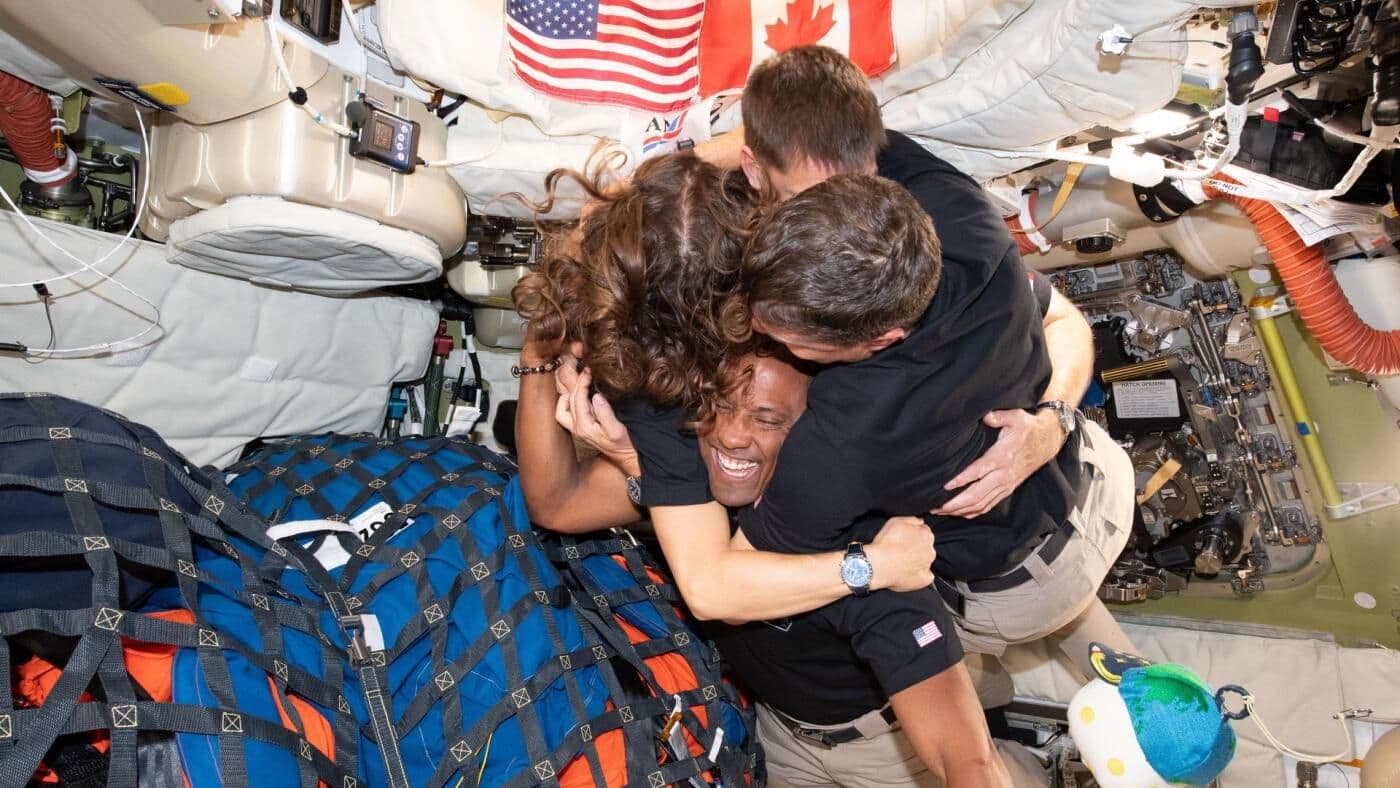
NASA astronauts Reid Wiseman, Victor Glover, and Christina Koch, along with Canadian Space Agency astronaut Jeremy Hansen, were secured inside the Orion space capsule as it made its fiery descent back to Earth. The USS John P. Murtha was positioned near the splashdown site to assist with crew recovery operations.
A Fiery Journey Through the Atmosphere
Returning to Earth was no gentle ride. The Orion capsule had to endure scorching temperatures of approximately 5,000 degrees Fahrenheit while decelerating from nearly 25,000 miles per hour — more than 30 times the speed of sound — down to a manageable 19 mph before hitting the water.
The roughly 13-minute atmospheric reentry was described by astronaut Victor Glover as akin to "riding a fireball through the atmosphere." Despite the intensity of the experience, Glover emphasized just how essential that harrowing descent truly was.
"We have to get back," Glover said ahead of the maneuver. "There's so much data that you've seen already, but all the good stuff is coming back with us."
Breaking Records Beyond the Moon
The Artemis II mission achieved several remarkable milestones. The crew ventured farther from Earth than any human beings before them, shattering records set during earlier spaceflight programs. On Monday, April 6, the astronauts looped around the far side of the moon, capturing photographs and conducting scientific observations of the lunar surface along the way.
What Comes Next for the Artemis Program
Now safely back on solid ground, the four-person crew will hand over a wealth of scientific data, imagery, and observations gathered throughout the mission to NASA's ground teams. The insights collected during this flight are expected to play a critical role in shaping future lunar exploration efforts under the broader Artemis program, which ultimately aims to return humans to the moon's surface.
The successful completion of Artemis II marks a defining moment in modern space exploration, reaffirming humanity's ambition to push deeper into the cosmos than ever before.