Ancient Dentistry? Neanderthals May Have Performed Cavity Drilling 59,000 Years Ago
A fossilized Paleolithic tooth is rewriting what we know about Neanderthal intelligence, suggesting these ancient hominins may have practiced rudimentary dentistry.

Ancient Hominins May Have Practiced Rudimentary Dentistry
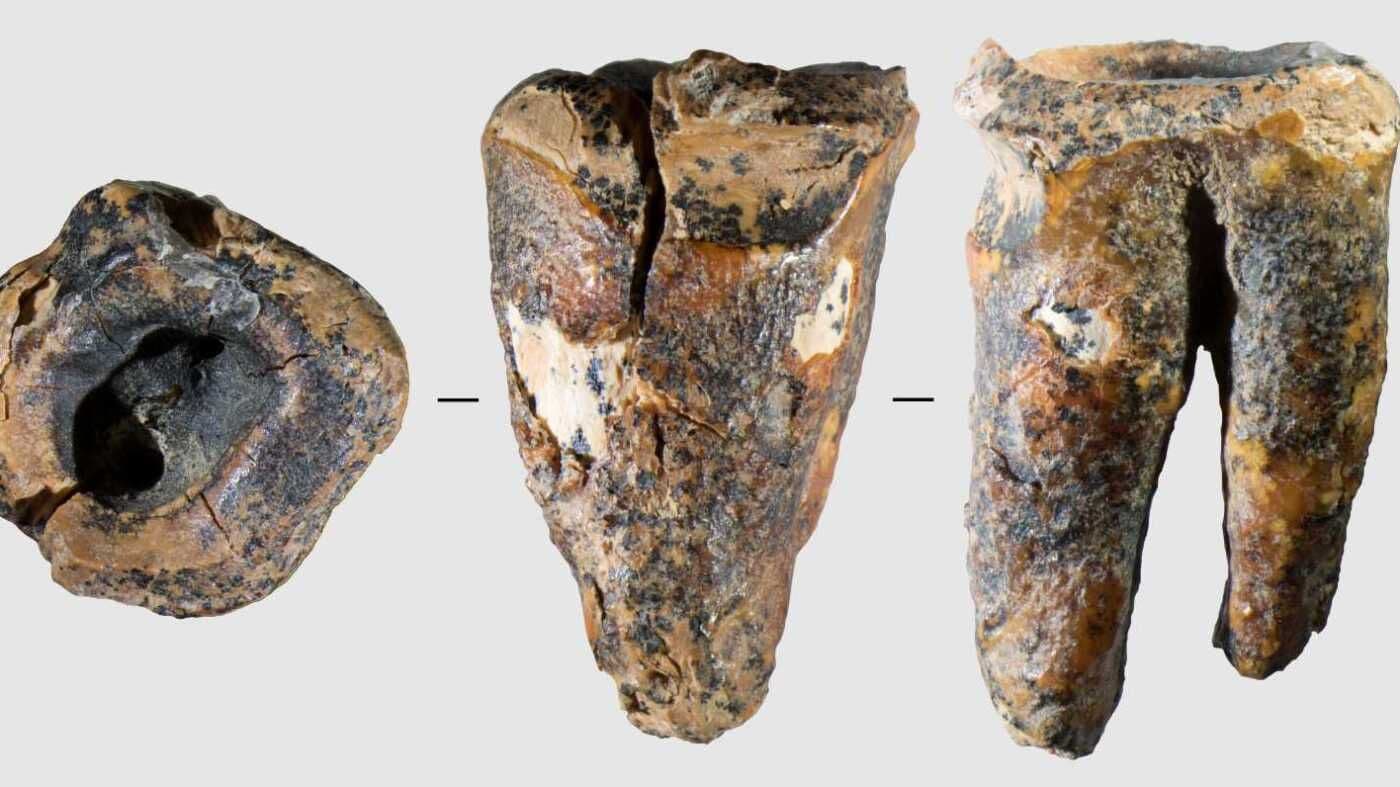
A remarkable archaeological discovery is challenging long-held assumptions about the cognitive and practical capabilities of Neanderthals. Researchers have uncovered a Paleolithic-era tooth bearing unmistakable signs that our ancient relatives may have intentionally drilled into a cavity — an act that would represent one of the earliest known examples of dental intervention in human history.
The Tooth That Changed Everything
The fossilized tooth, estimated to be approximately 59,000 years old, displays markings consistent with a deliberate and surprisingly precise dental procedure. Scientists who examined the specimen believe the evidence points toward intentional manipulation of a decayed area within the tooth — suggesting that Neanderthals possessed not only the awareness of dental discomfort but also the ingenuity to attempt addressing it.
This discovery adds a significant new chapter to the ongoing conversation about Neanderthal intelligence and behavioral sophistication.
What This Means for Our Understanding of Neanderthals
For decades, Neanderthals were broadly characterized as primitive and intellectually limited compared to modern humans. However, a growing body of archaeological evidence continues to dismantle that outdated narrative. From the use of symbolic art to complex tool construction, Neanderthals have repeatedly surprised researchers with their capabilities.
The possibility that they also engaged in something resembling dental care only deepens the picture of a species far more advanced than previously credited.
A Precise and Purposeful Act
What makes this finding particularly compelling is the apparent precision involved. Drilling or scraping out a cavity requires not only an understanding of cause and effect — recognizing that decay is the source of pain — but also the motor skills and focus to carry out a targeted physical procedure. Both qualities speak to a level of cognitive function that demands serious scientific attention.
The Broader Implications for Paleoanthropology
This discovery invites scientists to reconsider the timeline of medical and dental awareness in early human species. If Neanderthals were capable of identifying and treating oral health issues tens of thousands of years ago, it raises profound questions about the origins of healthcare as a concept and how far back the roots of human-like problem-solving truly extend.
As researchers continue to analyze the tooth and its surrounding archaeological context, this small fragment of ancient bone may ultimately reshape our understanding of what it meant to be a thinking, feeling, and self-caring being in the prehistoric world.

