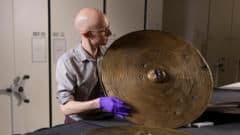
Ancient Bronze Age Shield Returns to Scotland After More Than 230 Years Away
A rare Bronze Age shield unearthed in a Scottish peat bog over two centuries ago is finally coming home as part of a landmark summer exhibition.

Ancient Bronze Age Shield Makes Historic Return to Scotland
A remarkable Bronze Age shield, discovered buried in a peat bog in the late 18th century, is making its long-awaited return to Scottish soil for the first time in more than 230 years. The ancient artifact will take center stage in a major exhibition exploring the warriors and weapons of prehistoric Scotland.
A Discovery Centuries in the Making
The shield was originally unearthed around 1779 during routine labouring work in a field near Beith, in North Ayrshire. In 1791, it was formally presented to the Society of Antiquaries of London, where it has remained ever since — until now.
Described by historians as both "spectacular and intricate," the shield has been loaned to the National Museum of Scotland (NMS) for the very first time. It will serve as a centerpiece of an upcoming exhibition titled Scotland's First Warriors, set to open this summer and run through May 2027.
Six Shields, One Extraordinary Exhibition
The Beith shield will be displayed alongside five other shields from the same era, with curators calling the gathering a "once-in-a-lifetime" opportunity to examine these exceptionally rare objects in one place. Additional shields recovered from the Borders and Aberdeenshire regions during the 19th century will also feature in the display.
When curators laid all six shields side by side for the first time, they noted striking similarities in design and construction — leading experts to speculate that the pieces may have been crafted by the same artisan or workshop.
What the Shield Tells Us About Bronze Age Life
The shield measures approximately 60 to 70 centimetres in diameter and is adorned with carefully hammered bosses and ribs. Visible damage consistent with spear strikes and other weaponry strongly suggests it saw real combat during its lifetime.
Historical records indicate the shield was found buried upright in peat alongside six others, though the current whereabouts of the remaining pieces is unknown.
Dr. Matthew Knight, Senior Curator of Prehistory at the NMS, explained that while the exact reason for the burial remains uncertain, the shield's craftsmanship and rarity point clearly to a high-status owner.
"We know that because they're so hard to make and they're quite rare objects, whoever owned it was probably someone quite special. When you think about the idea that it was one of five or six buried in a bog, it makes you think there must have been a group of high-status people who came together to bury their shields."
Dr. Knight also offered a thought-provoking theory about the ceremonial nature of the burial, suggesting it may have represented a collective act of peace — communities symbolically surrendering their defensive weapons together.
Bronze Age Scotland: A Window Into the Past
The Bronze Age in Scotland spanned roughly 1,400 years, from around 2,200 BC to approximately 800 BC. This era marked the rise of bronze — an alloy of copper and tin — as the dominant material for tools and weapons, eventually giving way to early iron use.
While shields made from wood or leather were far more common during this period, bronze versions were exceptionally rare. Beyond their practical defensive function, these bronze shields served as powerful symbols of prestige and warrior status.
Dr. Knight added: "Bronze shields from this period are exceptional to Britain. By bringing all six of these incredibly rare shields together, we can gain a deeper understanding of life and conflict in Bronze Age Scotland and beyond."
Other Treasures on Display
The Edinburgh exhibition will span thousands of years of history, stretching from the Neolithic period — also known as the late Stone Age — through to the arrival of the Romans in Britain.
Alongside the shields, visitors will have the chance to view other internationally significant archaeological finds from across Scotland, including the Carnoustie Hoard. This remarkable collection features a rare gold-decorated spearhead and a bronze sword housed in a wooden scabbard, both dating to approximately 1120–920 BC.
A Historic Homecoming
Alexandra Ault, Head of Collections at the Society of Antiquaries of London, expressed enthusiasm about the loan, stating: "This marks the first time in over 235 years the shield has been back to Scotland and is an exciting opportunity to see it alongside other important Scottish Bronze Age artefacts."
Scotland's First Warriors opens on 27 June and is scheduled to run until May 2027 at the National Museum of Scotland in Edinburgh.