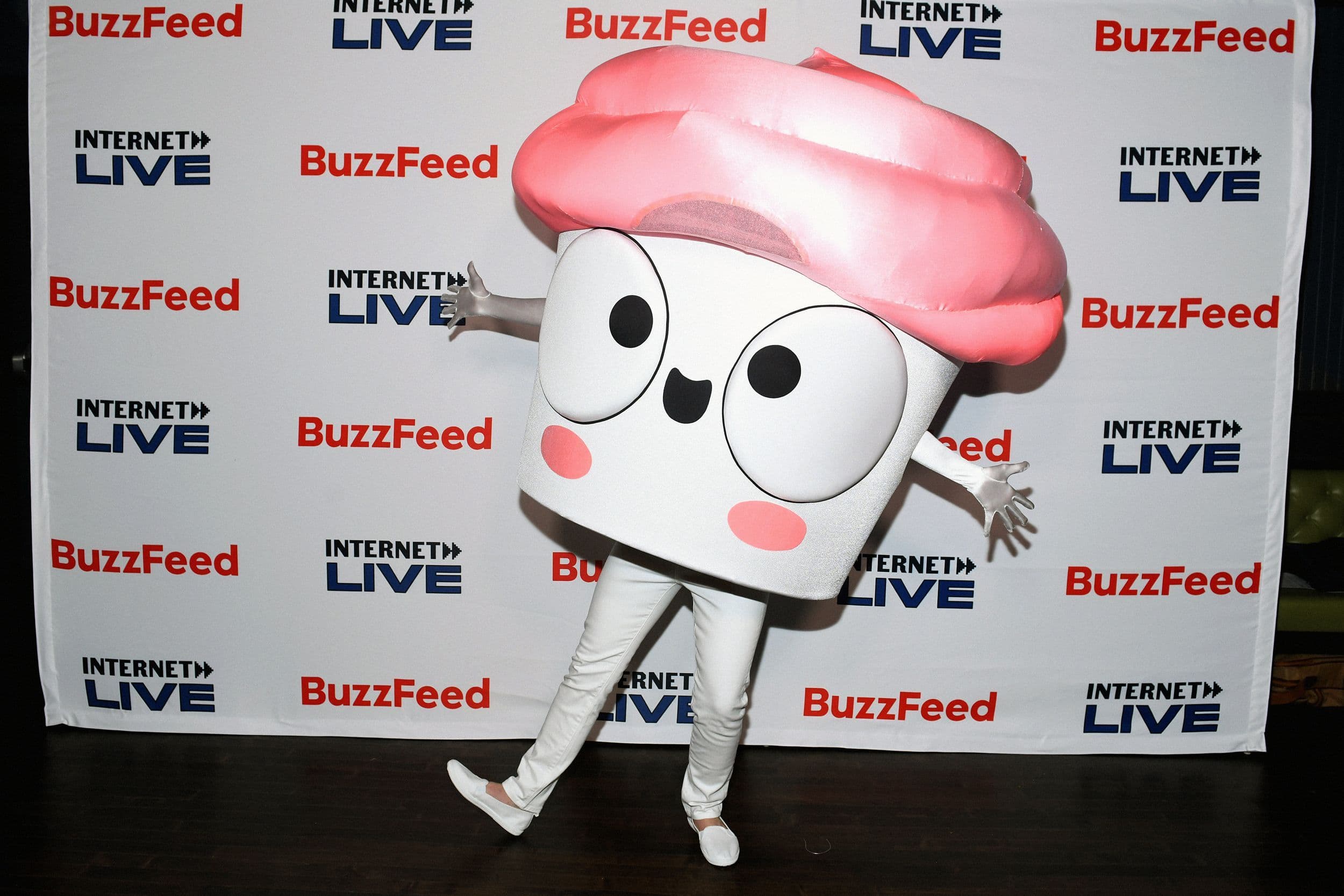
Amazon's AI-Animated Cupcake Show Sparks Fury From the Character's Original Creator
The artist behind the beloved 'Good Advice Cupcake' character is fighting back after BuzzFeed licensed her creation to Amazon for an AI-assisted animated series.

Amazon and BuzzFeed Team Up for AI-Animated Series — But the Original Artist Didn't Get a Say
When news broke that Amazon Prime Video would be producing an animated series based on the beloved internet character Cuppy — the foul-mouthed, cheerfully optimistic cupcake known as "Good Advice Cupcake" — the reaction from her creator was anything but sweet.
Loryn Brantz, the illustrator and writer who brought Cuppy to life, took to Instagram with a sharp rebuke aimed squarely at BuzzFeed, her former employer, and Amazon. Her message was direct: this is an attack on artists everywhere.
The Show, the Deal, and the Controversy
The upcoming series, titled Cupcake & Friends, is set to debut on Prime Video as part of a broader initiative called the GenAI Creators' Fund — a collaborative program between Amazon Web Services and Amazon MGM Studios. The fund has greenlit three AI-assisted animated projects in total, with the Cuppy-based show among them.
For Brantz, the announcement was a worst-case scenario made real. She publicly called Cuppy's transformation into what she described as a "soulless AI puppet" a betrayal of everything the character represents. On Instagram, she urged her followers — more than two million on the Good Advice Cupcake page alone — to boycott BuzzFeed and any animation produced with or influenced by AI technology.
How Cuppy Was Born
Brantz first developed the Cuppy character for a children's book pitch. After a Disney publishing imprint passed on the concept, she folded the character into her online comics. In 2017, a strip featuring the deceptively cheerful cupcake offering unexpectedly aggressive life advice went viral across multiple platforms.
"The character is 100 percent based on my own personality as being someone who is aggressively optimistic and nearly pathologically positive," Brantz told WIRED. "It was a way for me to yell motivational advice at people in a cute and humorous way."
BuzzFeed quickly took notice. The company produced eight episodes of a Good Advice Cupcake web series in 2019, covering topics ranging from navigating a chaotic life to coming-out advice. Brantz was a central creative force throughout that process.
Broken Promises and Legal Fine Print
Brantz says she was reassured by BuzzFeed leadership that the character would not be developed further without her creative involvement if she ever departed the company. She took those assurances at face value — a decision she now regrets.
"When this all happened, AI didn't even exist," she said. "I trusted them, though naively, when they said they had no interest in continuing Cuppy without me involved."
Brantz left BuzzFeed in 2023 to take on a role as executive creative director for YouTube educator Ms. Rachel, but continued licensing the Cuppy character from the company for her own content.
When rumors surfaced earlier this year about BuzzFeed's animation deal with Amazon, Brantz reached out to Jonah Peretti — now president of BuzzFeed AI and former CEO — for answers. She claims he agreed to share details only if she first signed a non-disclosure agreement. She refused.
"Contrary to their statement, they did not contact me about this project and only mentioned telling me more after it became clear I would make a scene," Brantz said. "Which I am."
BuzzFeed and Amazon Respond
BuzzFeed has defended its position firmly. A company spokesperson confirmed to WIRED that the intellectual property rights to Cuppy belong to BuzzFeed, not Brantz.
"BuzzFeed Studios is excited to use new technology to bring a dormant library series off the shelf and to give it new life," the spokesperson said.
In his own statement, Peretti argued that the production would still rely heavily on human creativity, with AI serving as a supplementary tool rather than the driving force. He compared the use of AI in animation to Disney's adoption of Xerox technology decades ago to streamline its animation workflow.
He also acknowledged that Brantz had been informed of the project but chose not to participate. "Her personal opposition to AI cannot determine how BuzzFeed develops IP that it owns, or deny the many other talented creators involved in this project the opportunity to do their work," Peretti stated.
Brantz dismissed the Xerox comparison as misleading and challenged Peretti to a public debate on animation history and integrity.
A Larger Battle for Creative Rights
The dispute has resonated far beyond one animated cupcake. For many working in creative industries, Brantz's situation reflects a growing and deeply unsettling pattern: content created by artists being repurposed or reimagined using AI without their meaningful consent.
Digital media companies — many of which have undergone repeated restructuring — appear especially positioned to pursue such deals. BuzzFeed itself recently welcomed media mogul Byron Allen as chairman and CEO following his acquisition of a majority stake in the brand for $120 million. Allen has spoken openly about using AI to reposition BuzzFeed as a YouTube-style content platform.
Brantz's supporters have flooded her comment sections with messages of solidarity, praising what many see as a principled stand against the unchecked use of AI in entertainment.
As for Brantz herself, she says she is currently exploring legal options — though for now, she admits she is "not feeling as optimistic as usual."

