Aiper IrriSense 2 Review: A Smart Sprinkler That Almost Gets It Right
The Aiper IrriSense 2 brings serious intelligence to lawn watering, but its clever features come with a few notable limitations.

Aiper IrriSense 2 Review: A Smart Sprinkler That Almost Gets It Right
Modern lawn care has come a long way from the simple back-and-forth oscillating sprinklers that once dominated suburban yards. Today's smart irrigation solutions offer scheduling, environmental awareness, and precise water delivery — and you don't necessarily need an expensive underground system to access these benefits. The Aiper IrriSense 2 is a prime example of how sophisticated a standard hose-connected sprinkler can be. After putting it through its paces, the verdict is this: impressive technology, but with some rough edges worth knowing about before you buy.
First Impressions: Bigger Than You'd Expect
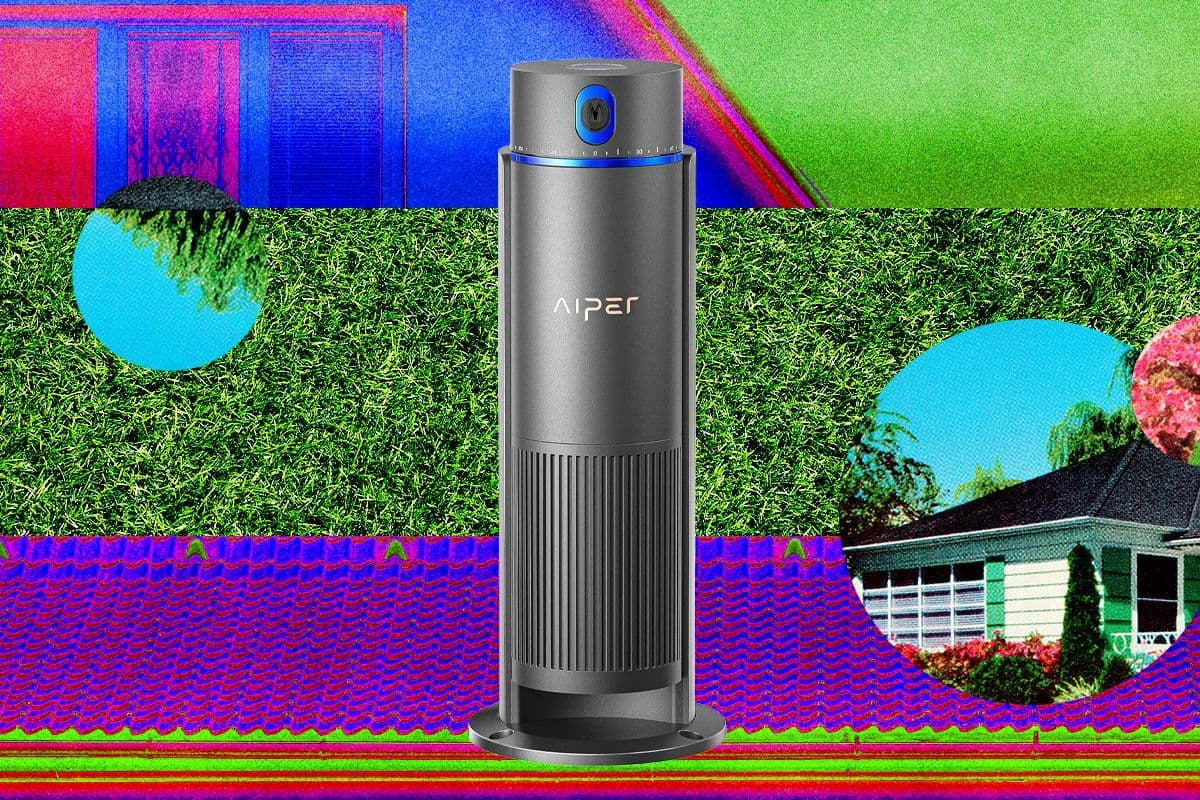
If you're picturing a compact little sprinkler head, prepare yourself. The IrriSense 2 is a substantial piece of hardware — a thick cylindrical unit standing roughly two feet tall and tipping the scales at more than 11 pounds. It connects to a standard garden hose and requires a nearby electrical outlet to function. A single button on top handles Bluetooth pairing with your smartphone and can trigger manual watering sessions, though the majority of the system's features are managed through Aiper's dedicated mobile app. For remote access and scheduling, the device also supports 2.4-GHz Wi-Fi connectivity.
One practical consideration worth noting: the unit's size and weight make it somewhat awkward to move around. The absence of even a basic handle feels like a missed opportunity in the design process.
Placement and Setup
Positioning accuracy is central to how the IrriSense 2 operates. The package includes ground stakes for permanent installation, which makes sense for users who plan to leave the unit in one spot. For those who prefer to store the sprinkler away between uses, Aiper includes a plastic positioning marker — resembling a football tee — that can be pushed into the ground. This marker ensures the sprinkler lands in precisely the same spot every time it's deployed, which is essential for the system's mapping features to work correctly.
The initial setup process involves onboarding through the app followed by several firmware updates before the device is ready for use. Once that's out of the way, the real functionality begins.
Smart Watering Modes
One of the IrriSense 2's strongest selling points is the variety of automated watering modes it offers. Rather than simply blasting water on a timer, the system lets you define how you want your yard irrigated based on the shape and layout of your outdoor space.
Point Mode
Designed for targeted watering of individual plants, trees, or shrubs that need periodic hydration without soaking the surrounding area.
Line Mode
Follows a straight path, making it well-suited for hedges, garden borders, and flowerbeds that run along a defined edge.
Area Mode
The most versatile and commonly used setting, Area mode distributes water across a two-dimensional zone — essentially your lawn as a whole. This is the mode most homeowners will rely on, and it's also the most complex to configure.
In addition to these modes, the app is smart enough to skip scheduled watering sessions when conditions don't call for it — such as after rainfall or during high winds — which helps conserve water and prevents overwatering.
Mapping Your Yard
Setting up Area mode involves using the app to map out the boundaries of the space you want to water. You can watch the map take shape in real time as you define your coverage zone, which is a genuinely intuitive experience — for most of the process, anyway. The final stretch of completing the 360-degree boundary loop proved frustratingly difficult, and a small gap in the mapped area persisted despite repeated attempts to close it.
Another distinctive feature is how the system measures watering output. Instead of setting a run time, you specify a target water depth in inches — essentially telling the system how much moisture you want delivered to the soil. While verifying this figure with precision is challenging, the estimates appeared reasonably accurate during real-world testing.
How the Watering Actually Works
During an Area mode session, the IrriSense 2 sprays water in a single directional jet, rotating clockwise through its full mapped range before reversing and repeating the cycle counter-clockwise. This back-and-forth pattern continues until the target water depth has been reached.
Despite being marketed as a gentle mist, the output functions more like a pressurized jet — especially when reaching the outer edges of a large coverage area. This characteristic means the perimeter of the mapped zone tends to receive more water than the central portion, which is a known limitation of rotary-style sprinklers in general.
To compensate, the IrriSense 2 gradually reduces water pressure with each successive rotation pass. By the final cycles, the spray barely extends beyond a few inches from the unit itself. It's a thoughtful approach, though it does introduce one important caveat: if you cancel a run before it finishes, only the outer areas of your yard will have been properly watered.
Pros and Cons at a Glance
What Works Well:
- Multiple intelligent watering modes for different yard configurations
- App-based scheduling with weather-aware skip logic
- More precise water distribution than traditional sprinklers
- Real-time yard mapping via the app
Where It Falls Short:
- Larger yards may not achieve full coverage, especially on shorter watering runs
- Variable water pressure can lead to minor overwatering in spots
- The hardware is bulky and lacks a handle, making repositioning inconvenient
- Closing the boundary map completely during setup can be frustratingly tricky
Final Verdict
The Aiper IrriSense 2 represents a genuinely ambitious step forward for hose-connected smart sprinklers. Its mapping capabilities, intelligent scheduling, and water-depth targeting set it apart from basic alternatives. That said, the hardware's bulk, some inconsistencies in water distribution, and a few software quirks prevent it from being a flawless solution. For homeowners with mid-sized yards who want smarter irrigation without committing to an in-ground system, it's a strong contender — just go in with realistic expectations.