Abandoned Pet Goldfish Threatening Protected Carp Species in Cambridge Lake
Illegally released goldfish are putting a rare native carp population at serious risk of disease and genetic contamination at a Cambridge nature park.
Pet Goldfish Pose Major Threat to Rare Native Carp Population
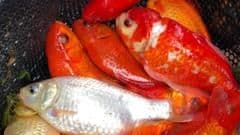
Authorities are racing against time to remove illegally dumped pet goldfish from a carefully managed lake in Cambridgeshire, after the abandoned fish were found to be putting a protected native species at serious risk.
The Environment Agency, working alongside staff at Milton Country Park near Cambridge, had been investing significant effort into transforming Halls Pool into a protected habitat specifically designed to support crucian carp — a native UK species that holds protected status. That work is now under threat following the unauthorized release of approximately 20 goldfish into the lake.
The Scale of the Problem
Officials have confirmed that the presence of the goldfish exposes the entire crucian carp population to potentially devastating consequences, including viral infections, disease transmission, and genetic hybridisation. Cross-breeding between goldfish and crucian carp could permanently alter the fish's unique DNA structure, effectively wiping out the true crucian carp population in the lake for good.
Environment Agency officers have already successfully retrieved 15 of the 20 goldfish, with a member of the public — reportedly a child — catching one additional fish. However, four goldfish remain unaccounted for, and authorities stress that every single one must be removed to protect the carp population.
Why Crucian Carp Matter
Crucian carp are considered a species worth protecting due to their vulnerability and declining numbers across the UK. The conservation work at Milton Country Park had been progressing remarkably well, with carp thriving in the lake's naturally weedy environment. In fact, the population had grown so successfully that several hundred fish were relocated to a second nearby lake to establish an additional breeding colony of genetically pure crucian carp.
A Warning to Pet Fish Owners
The Environment Agency has been careful not to assume the goldfish were released with deliberate harmful intent. In a public statement posted on Facebook, the agency acknowledged that the release was likely well-meaning, but emphasized that the consequences could be irreversible.
Officials are urging pet owners to think carefully before releasing fish into open water. If a goldfish or other ornamental fish has outgrown its tank or pond, the responsible course of action is to rehome it with another fish keeper who has a fully enclosed ornamental pond or aquarium — never to release it into natural water bodies such as rivers or lakes.
The Broader Issue of Invasive Species
This incident highlights a wider and ongoing environmental challenge. The release of non-native or ornamental species into natural water systems — even with good intentions — can have long-lasting and sometimes irreversible consequences for fragile ecosystems. Goldfish, though harmless-seeming as pets, are closely related to carp and can interbreed with native species, introducing disease and diluting gene pools that have developed over thousands of years.
Conservation bodies continue to emphasize that responsible pet ownership extends beyond the home aquarium, and that the natural environment must be considered before making decisions about unwanted fish.