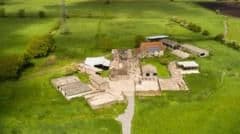
Abandoned Dairy Farm Set to Become World-Class Peatland Research Hub
A former dairy farm in Somerset could be transformed into a globally recognised centre for lowland peat research and restoration, addressing critical climate challenges.

Former Dairy Farm Earmarked for Groundbreaking Peatland Research Centre
A redundant dairy farm nestled within the Somerset Levels and Moors is poised for a remarkable transformation — one that could position the United Kingdom at the forefront of global peatland science. Somerset Wildlife Trust has lodged a planning application to repurpose and redevelop the existing farm buildings at Honeygar Farm in Westhay, with ambitions to establish an internationally respected hub dedicated to lowland peat bog research and restoration.
Why Honeygar Farm Matters
Honeygar Farm sits on one of the rarest and most ecologically significant landscapes in the country. The site contains deep lowland peatland — a type of waterlogged wetland ecosystem that forms at elevations below 150 metres over thousands of years, as decaying plant matter gradually accumulates in acidic, saturated conditions.
According to the United Nations, peatlands account for just 3% of the Earth's total land surface, yet they store more carbon than every forest on the planet combined. Despite this extraordinary environmental value, the majority of existing peat research and restoration efforts have been concentrated on upland sites, leaving lowland peatlands comparatively understudied and underprotected.
Somerset Wildlife Trust's Vision
Somerset Wildlife Trust acquired Honeygar Farm in 2021 and has since adopted a careful, measured approach to land management. Low-intensity grazing and controlled water level stabilisation have been introduced to begin the process of peatland recovery, allowing nature to gradually reassert itself across the landscape.
Georgia Dent, Chief Executive Officer of Somerset Wildlife Trust, described the potential of the site in ambitious terms. She emphasised that thoughtful stewardship of peatlands could yield meaningful solutions to some of today's most pressing environmental issues, including climate change adaptation and the improvement of water quality.
A Centre for Collaboration and Innovation
"We want Honeygar to become an internationally recognised hub for research, innovation, and collaboration," Dent stated. She outlined plans to bring together a diverse range of stakeholders — from researchers, academics, and conservationists to land managers, business professionals, and land agents — creating a collaborative environment where knowledge can be shared and practical solutions developed at both local and national levels.
The farm presents a rare opportunity to gather robust, real-world evidence on how lowland peatlands can be managed to simultaneously support biodiversity, promote sustainable land use, and contribute positively to local economies.
What the Development Plans Include
Beyond its scientific and environmental ambitions, the proposed development incorporates several features designed to engage the wider public. The planning application includes:
- A circular public walkway offering access to the surrounding landscape
- Dedicated viewing areas for wildlife observation
- Public toilet facilities
- Equipment hire spaces for visitors
- Restoration of the existing on-site orchard
These elements reflect the trust's intention to make Honeygar not only a centre of scientific excellence but also an accessible destination that connects local communities with the natural environment.
Next Steps
The submitted planning application will now enter the statutory review process, where it will be assessed by the relevant local planning authority. If approved, Honeygar Farm could become a defining landmark in the effort to understand, restore, and protect one of the world's most carbon-rich and biodiverse ecosystems — right in the heart of the Somerset countryside.

