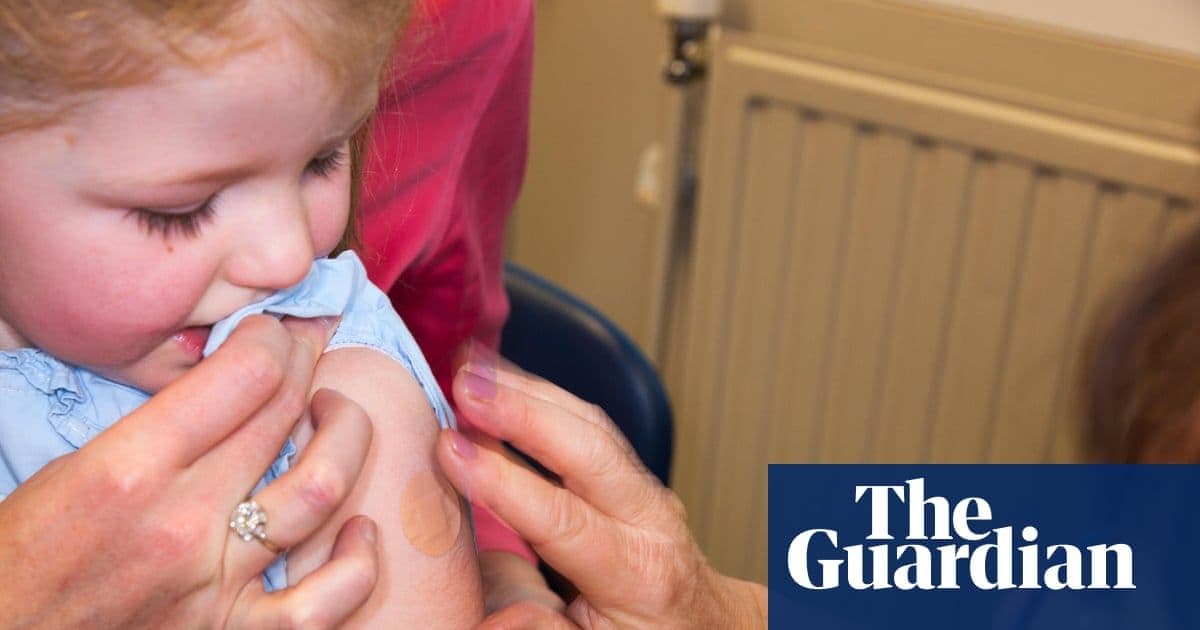
A Mother's Fight for NHS Meningitis Vaccination: Why Some Children Were Left Behind
One mother shares her frustration after her son was excluded from the NHS MenB vaccine rollout due to his birth date, forcing her family to seek costly private vaccination.
Left Out of the System: A Parent's Experience With Meningitis Vaccination
A recent article highlighting the resurgence of meningitis has reignited an important conversation about the gaps in the NHS vaccination programme — one that Aimée Hamblin, a mother from Longstanton in Cambridgeshire, knows all too well.
The Cut-Off That Changed Everything
While public health discussions often reference the NHS routine vaccination schedule as covering children born after 2015, the reality is more nuanced. The MenB vaccine was introduced through a catch-up programme for babies born from May 2015 onwards — a distinction that had significant consequences for families whose children fell just outside that window.
Aimée's eldest son was born in December 2014, making him ineligible for the meningitis B vaccine through the NHS. During her maternity leave in 2015, she experienced firsthand the frustration of watching younger children receive vital protection that her son was simply not entitled to.
A Costly but Necessary Decision
Rather than accept that gap in coverage, Aimée and her husband made the decision to have their son vaccinated privately. Though the financial burden was considerable, she describes it as an entirely worthwhile investment in her child's health and safety.
However, this option is not available to every family. The cost of private vaccination can be prohibitive, meaning that children born in the months immediately before the NHS cut-off may have gone unprotected — not out of parental neglect, but due to financial or informational barriers.
The Information Gap That Made Things Worse
Adding to the frustration was a significant lack of communication from the NHS. Parents whose children were not eligible for the vaccine received no guidance on alternative options or the risks their children might face. To compound matters, NHS guidelines prevent the health service from directing patients toward private providers, leaving families to navigate the process entirely on their own.
This information vacuum likely meant that many parents were unaware their children had missed out on protection — a troubling oversight given the serious and potentially fatal nature of meningitis.
Children Still Falling Through the Cracks
The consequences of this gap are still being felt today. Depending on their birth month, a significant number of current Year 6 students may never have received the MenB vaccine, leaving them vulnerable as they enter secondary school and the social environments that come with it.
A Call for Equitable Healthcare
Aimée acknowledges that her family was fortunate to have the means to act privately. But she is clear in her conviction: her son, along with every other child affected by the scheduling cut-off, should have been offered this protection through the NHS as a matter of course.
Her experience serves as a powerful reminder that vaccination programme rollouts must be accompanied by clear, inclusive communication — and that arbitrary eligibility cut-offs can leave real children exposed to preventable and potentially life-threatening illnesses.