110,000-Year-Old Cave Reveals Neanderthals and Homo Sapiens Collaborated and Shared Culture
Groundbreaking findings from Tinshemet Cave in Israel are rewriting what we know about early human interaction, cooperation, and cultural evolution.

Ancient Cave Discovery Overturns Long-Held Beliefs About Early Humans
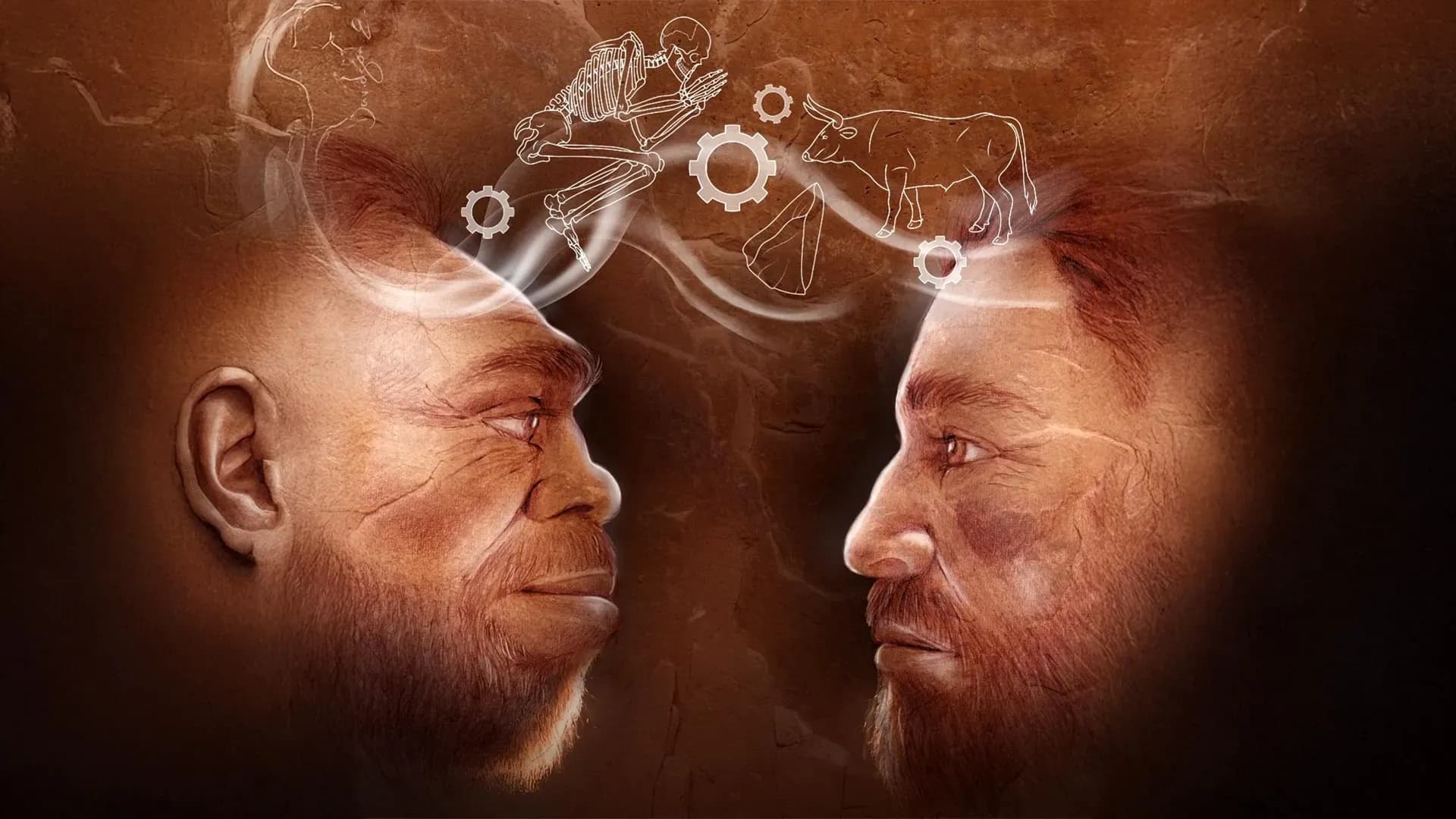
A landmark study emerging from Tinshemet Cave in central Israel is fundamentally reshaping how scientists understand the relationship between Neanderthals and Homo sapiens. Rather than existing as isolated, competing populations, new evidence strongly suggests these two groups actively engaged with one another — sharing tools, cultural practices, and even burial traditions — as far back as 110,000 years ago.
The research, published in Nature Human Behaviour, marks the first time findings from the Tinshemet site have been formally presented to the scientific community. Its implications are profound, positioning the ancient Levant region as a critical hub of early human exchange and innovation.
What Researchers Found Inside Tinshemet Cave
Excavations at Tinshemet Cave, which began in 2017, have uncovered an extraordinary array of archaeological and skeletal remains. Among the most significant are several intentional human burials — the first mid-Middle Palaeolithic (MP) burials to be discovered in over half a century. These finds offer an unprecedented window into how early human communities lived, died, and commemorated their dead.
Leading the excavation are Prof. Yossi Zaidner of the Hebrew University of Jerusalem, Prof. Israel Hershkovitz of Tel Aviv University, and Dr. Marion Prévost of the Hebrew University of Jerusalem. Their team investigated four core dimensions of early human behavior: stone tool manufacturing, hunting techniques, symbolic expression, and social organization.
A Mosaic of Human Populations in Contact
The evidence gathered suggests that multiple human groups — including Neanderthals, pre-Neanderthals, and early Homo sapiens — maintained sustained, meaningful contact throughout this period. These interactions appear to have functioned as a powerful engine of cultural development, with ideas and technologies gradually spreading between groups and making their behaviors increasingly similar over time.
Prof. Zaidner characterizes the region as a "melting pot," where diverse human populations converged and mutually influenced one another. "Our data show that human connections and population interactions have been fundamental in driving cultural and technological innovations throughout history," he notes.
The World's Earliest Known Formal Burial Practices
One of the most striking revelations from Tinshemet Cave is the apparent emergence of organized burial rituals in what is now Israel — representing the earliest known examples of such practices anywhere in the world. Burial sites within the cave contained deliberate arrangements of stone tools, animal bones, and fragments of ochre placed alongside the deceased, hinting at structured ceremony and possibly even early concepts of an afterlife.
The layout of these burials raises the intriguing possibility that Tinshemet Cave functioned as a designated burial ground — perhaps one of the world's oldest known cemeteries. Such a finding would suggest that these early human groups had developed strong community bonds and shared ritual traditions that transcended individual family units.
The Symbolic Power of Ochre
Another compelling aspect of the site is the extensive presence of mineral pigments, particularly red ochre. Researchers believe this substance was used to adorn human bodies, potentially serving as a form of identity expression or group distinction. The deliberate, symbolic use of color in this context reflects a level of cognitive and social sophistication that challenges older, more simplistic views of these ancient populations.
Dr. Prévost highlights the role that environmental conditions played in enabling these interactions. "During the mid-MP, climatic improvements increased the region's carrying capacity, leading to demographic expansion and intensified contact between different Homo taxa," she explains. In other words, a more hospitable climate supported larger populations, which in turn increased the likelihood of cross-group encounters and cultural exchange.
Cooperation and Competition Both Shaped Early Humanity
Prof. Hershkovitz offers a nuanced perspective on the nature of these ancient relationships. "These findings paint a picture of dynamic interactions shaped by both cooperation and competition," he says — suggesting that the story of early human development is neither one of pure harmony nor constant conflict, but a complex interplay of both.
This balanced view is critical for understanding why human culture advanced so rapidly during this period. Rather than innovation arising from within isolated groups, it appears that contact between different populations was itself the catalyst for progress.
Rewriting the Story of Human Origins
The discoveries at Tinshemet Cave collectively paint a vivid portrait of a pivotal moment in human prehistory — a time of population growth, cultural flowering, and unprecedented social complexity. The Levant, it now appears, was not merely a geographical corridor but an active stage upon which the foundations of human civilization were being laid.
As excavations continue, researchers anticipate further revelations that could deepen our understanding of how modern human behavior first took shape. What Tinshemet Cave has already made clear, however, is that connection — not isolation — was the defining force behind humanity's earliest cultural achievements.

